



If you’ve ever compared window quotes and wondered why the numbers (and prices) bounce around, you’re not alone. The market for types of low e glass has matured fast—yet the naming can be murky. I’ve toured factories in Hebei and beyond; here’s the no-fluff breakdown I wish more brochures offered.
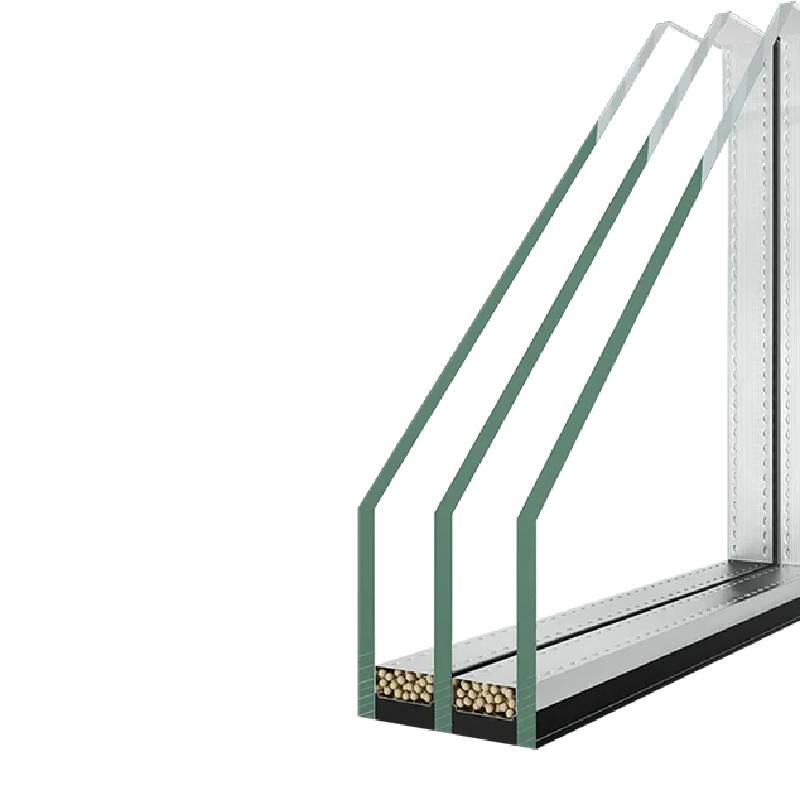
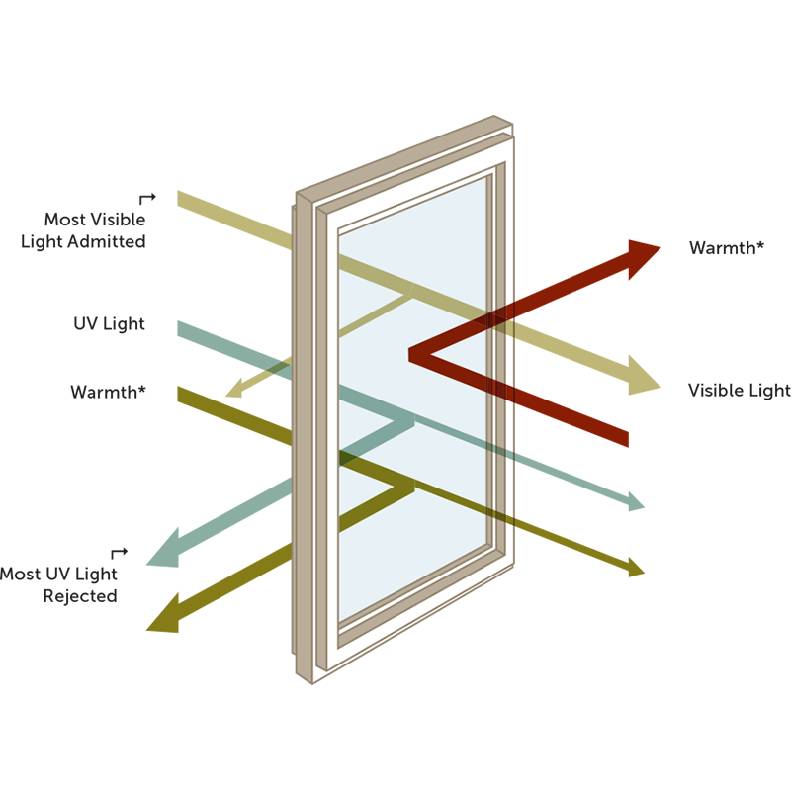
Low‑E (low emissivity) glass adds a microscopically thin metallic coating that reflects infrared heat while letting visible light through. In practice, you’ll see U‑factor drop and comfort go up—especially near big panes on winter mornings. Many customers say the rooms just “feel calmer” with less glare and fewer hotspots.
Materials: float glass substrate (soda‑lime), sputtered silver/oxide stacks, optional PVB or SGP interlayers for laminates, warm‑edge spacers, argon/krypton fills.
Methods: MSVD sputter coating (soft‑coat) or pyrolytic on‑line deposition (hard‑coat); then cutting, edge‑work, heat‑treatment (tempering/heat‑soak), lamination, IGU assembly, gas fill, and final QC.
Testing & standards: EN 1096 (coated glass), ISO 9050 (optical/solar values), NFRC 100/200 (U‑factor/SHGC), ASTM E2188/89/90 (IGU durability). Real‑world life: ≈25–35 years IGU seal life with proper installation and drainage; coatings themselves can last longer [1][2].
| Parameter | Typical Range (≈) | Notes |
|---|---|---|
| Thickness | 3–12 mm (hot options: 3,4,5,5.5,6,8,10,12) | Tempered/laminated as required |
| Max size | 3000 × 8000 mm | Check transport/handling limits |
| Emissivity (ε) | 0.02–0.15 | Lower is better; stack‑dependent |
| U‑factor (IGU) | 1.0–1.6 W/m²·K | Argon fill, 16 mm spacer, real‑world may vary |
| SHGC | 0.22–0.55 | Solar‑control vs passive variants |
| Visible light (Tvis) | 45–72% | Color neutrality tuned by layers |
| Certifications | CE, IGCC, CCC, ISO 9001 | Project‑specific documentation |
| Vendor | Strengths | Caveats |
|---|---|---|
| TP Top Glass (Shahe City, Hebei, P.R. China) | Wide size/thickness; quick custom IGUs; stable color on triple‑silver | Confirm lead time during peak season |
| Vendor A (generic) | Global stock programs; strong documentation | Occasional premium pricing |
| Vendor B (regional) | Fast local service; small‑lot flexibility | Limited jumbo sizes |
Case 1 – Hot, coastal hotel: triple‑silver Low‑E on clear, 28 mm IGU, SHGC ≈0.28. Cooling load dropped ~18% in energy model; guest comfort improved (less glare) according to post‑occupancy surveys.
Case 2 – Cold‑climate home: double‑silver Low‑E, argon, warm‑edge spacer. U‑factor ≈1.2 W/m²·K; winter perimeter drafts practically vanished, per owner feedback. To be honest, that “quiet warmth” is what sells it.
Options: tempered/heat‑soak, laminated (PVB/SGP), ceramic frit, spandrel, low‑iron, argon/krypton fills, acoustic interlayers, warm‑edge spacers, precise color targets. Factory QC includes haze/defect scan, emissivity check, and IGU dew‑point per ASTM E546 and E2188/89 protocols.
Origin: Shahe City Economic Development Zone 32, Hebei, P.R. China.
Citations:

Shahe City economic Development Zone 32,hebei,P.R .China.

+8618686009698
+8613191439158

eoch@shtopglass.com
jason@shtopglass.com