



If you’ve ever stared at a glossy façade and wondered which coating magic made it gleam, you’re in the right place. Today I’m unpacking the types of reflective glass buyers are actually specifying in 2025—what works, what ages well, and where the hidden costs lurk. The product in focus: Reflective Glass from Shahe City Economic Development Zone 32, Hebei, P.R. China—an area that, to be honest, has quietly become a powerhouse for coated glass.
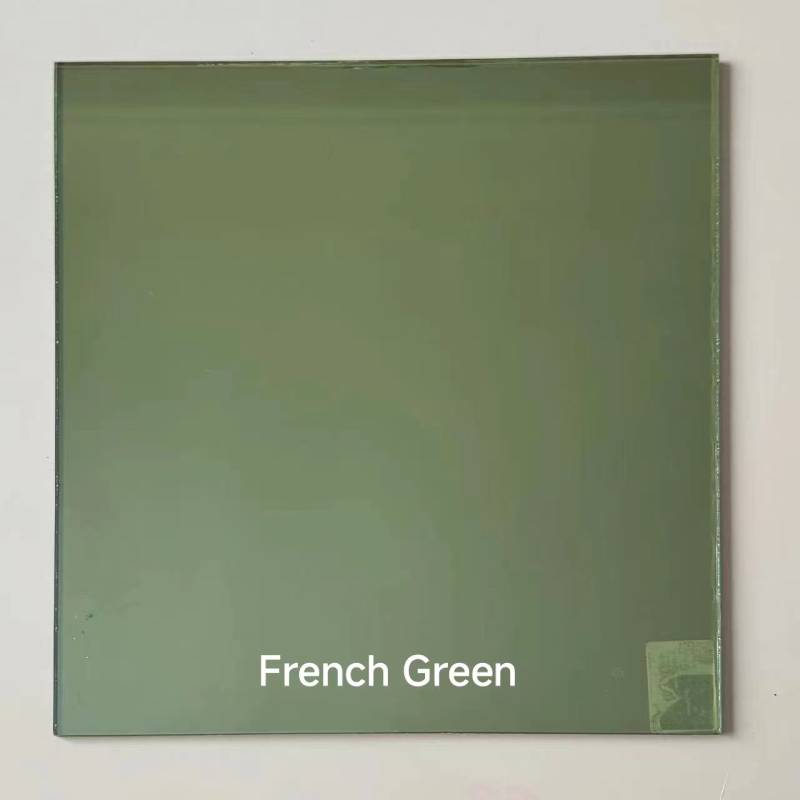
Trends first: architects want lower SHGC without killing daylight, data centers ask for glare control, and retailers want privacy by day without a cave vibe. In practice, most types of reflective glass fall into these buckets:
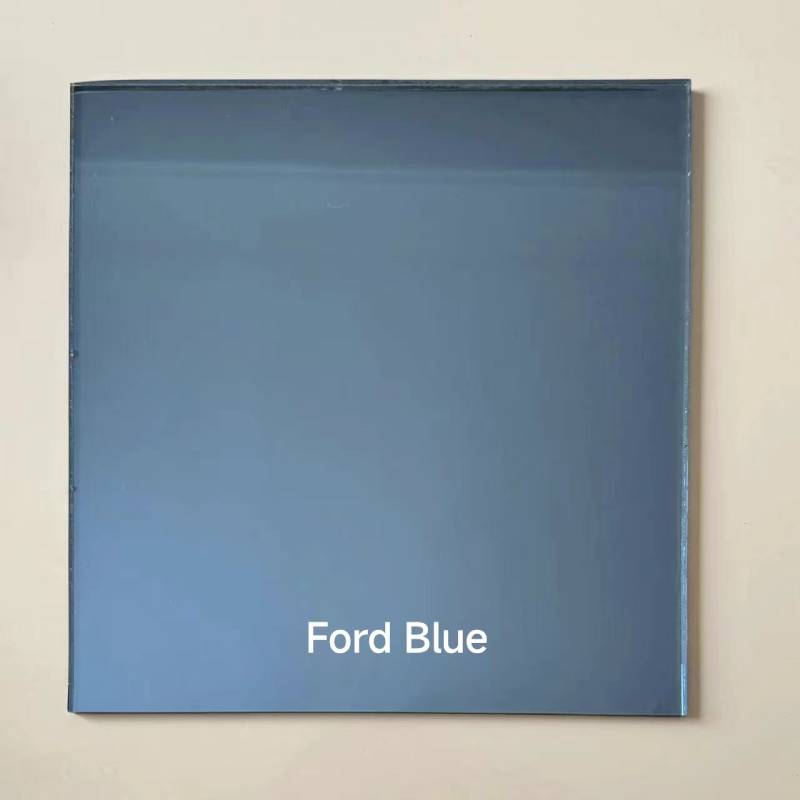
Materials: low-iron or standard float glass, thin metal or metal-oxide layers (often silver), protective topcoats. Methods: on-line pyrolytic CVD or off-line magnetron sputtering in a vacuum line. Post-processing: cutting, edge arrising, tempering/HS per ASTM C1048, laminating per EN ISO 12543, and IGU assembly per EN 1279. Testing: optical/solar to EN 410/ISO 9050; coating durability to EN 1096; salt-fog and humidity per EN 1096-2; surface stress checks for tempered lites. Expected service life: ≈20–30 years in IGUs (real-world use may vary with orientation and maintenance).
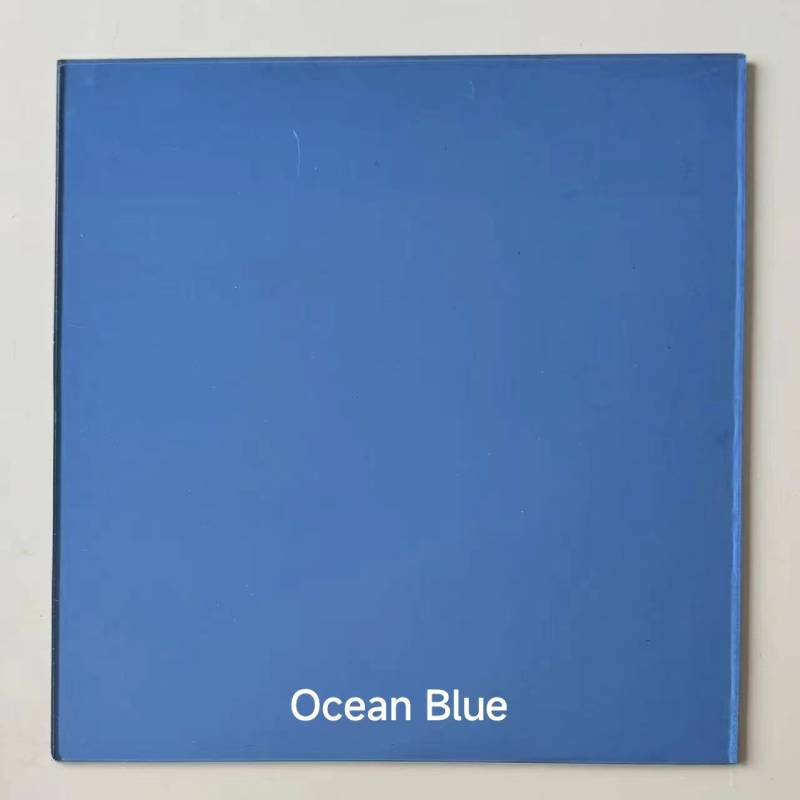
| Thickness options | 4, 5, 5.5, 6, 8, 10 mm (others on request) |
| Standard sizes | 3300×2140/2250/2440 mm; 3660×2140/2250/2440 mm; 1650/1830 widths also available |
| Optical/solar (typ.) | VLT 8–35%; VLR 25–45%; SHGC 0.20–0.45; Emissivity (soft-coat) ≈0.04–0.10 |
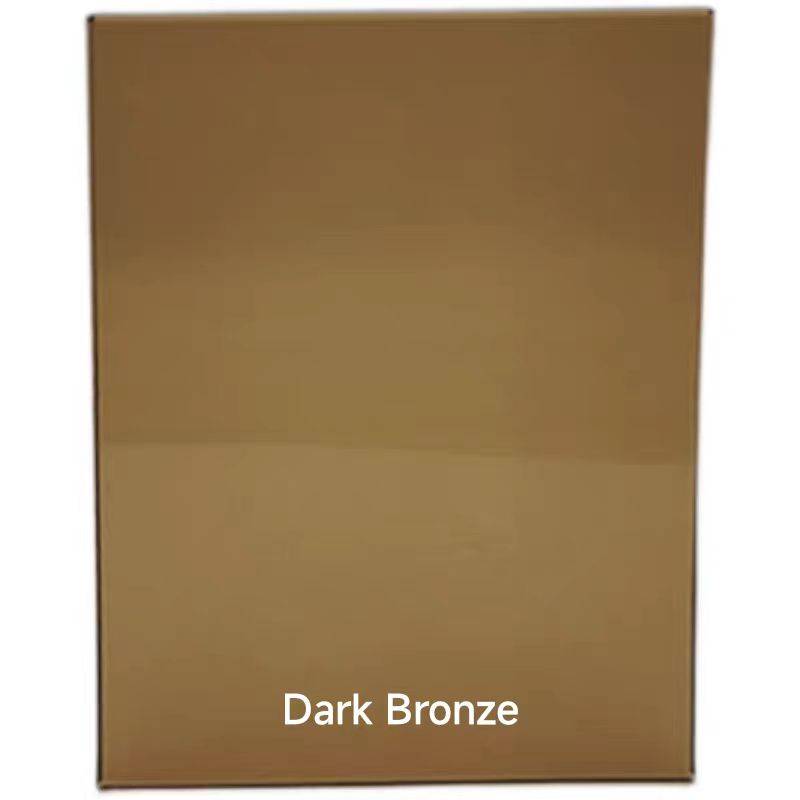
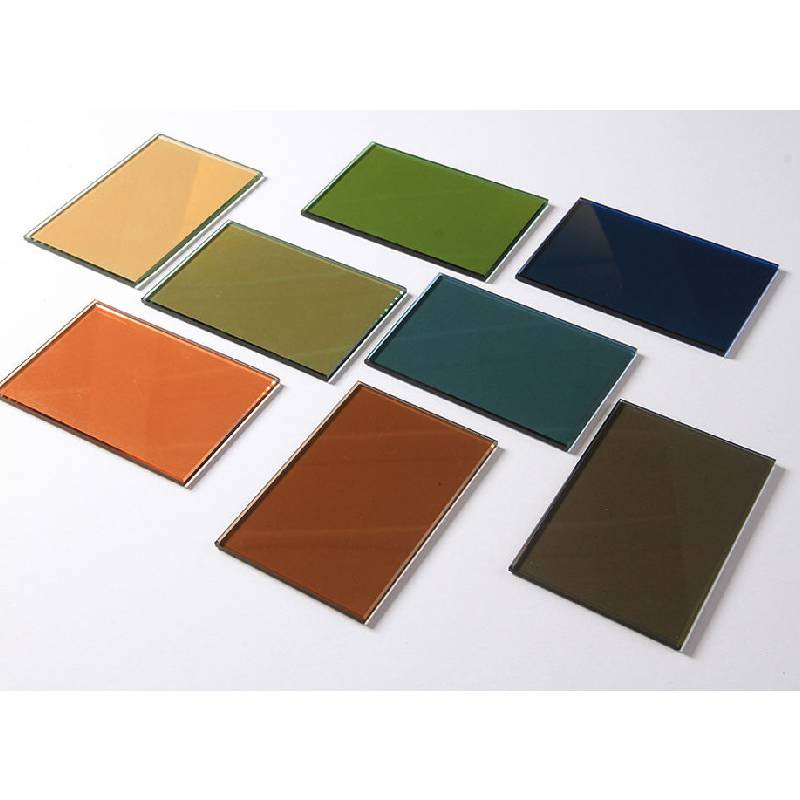
| Colors | Silver, grey, blue, green, bronze tints; custom on MOQ |
| Compliance | EN 1096, EN 410/ISO 9050, ASTM C1048, EN 1279 (IGU), RoHS |
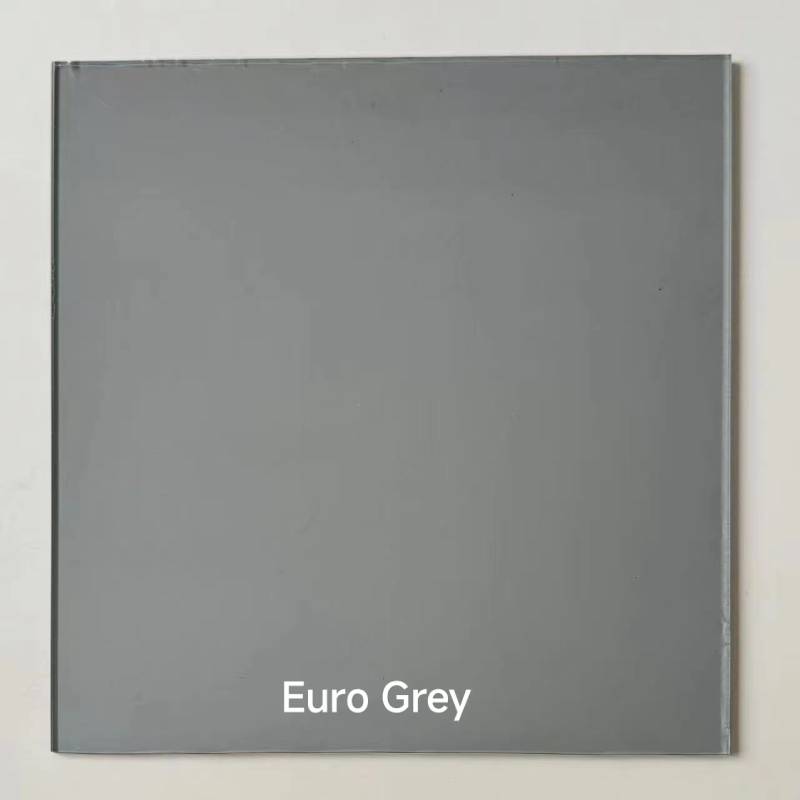
Applications: office towers, airports, hospitals, retail façades, data centers (glare control), education buildings, and villas needing daytime privacy. Advantages: reduced cooling loads, glare control, high daytime privacy, and a crisp aesthetic. Many customers say the “mirror-by-day, clear-by-night” effect surprised them; remember, night privacy requires blinds or smart lighting.
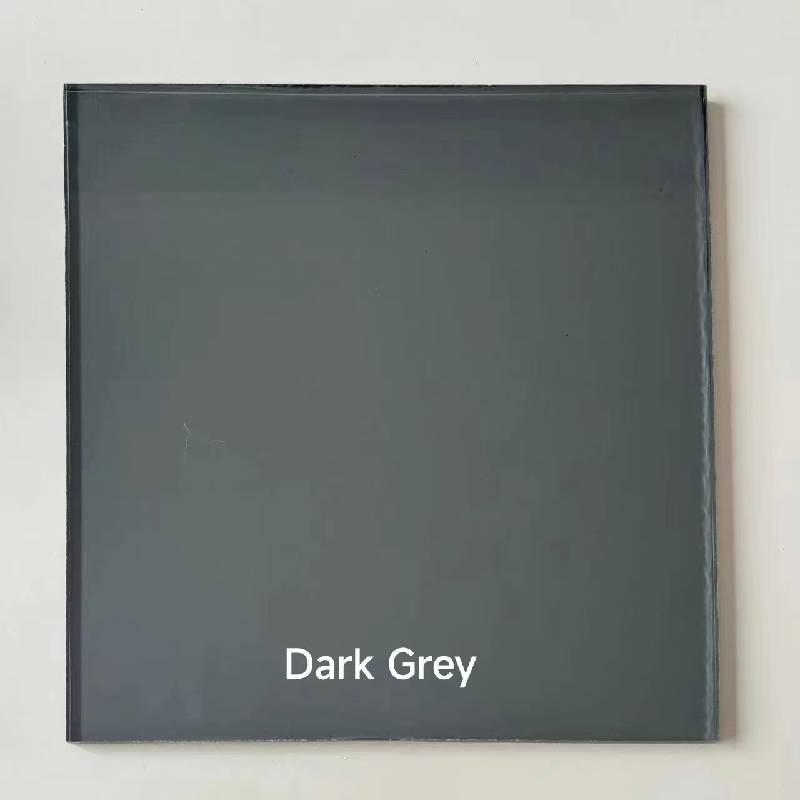
Customization covers coating stack (hard vs soft), color, thickness, temper/HS, lamination interlayers, ceramic frit patterns, and IGU build-ups with argon and warm-edge spacers. Case notes: a coastal hotel chose hard-coat reflective to resist handling and salt exposure; a fintech campus opted for soft-coat low-e reflective in IGUs to hit SHGC ≈0.28 without sacrificing VLT ≈32%—occupant surveys later reported fewer afternoon complaints.
| Vendor | Strengths | Considerations |
|---|---|---|
| TPTOP Glass (Hebei) | Wide size/thickness menu; stable color lots; IGU/tempered/laminated in-house; export-ready docs | MOQ for custom colors; shipping times vary by port |
| Regional Fabricator A | Fast local lead times; quick remake cycles | Narrow color/stack options; higher unit cost |
| Import Broker B | Aggressive pricing on bulk orders | Mixed QA; limited tech support; warranty clarity needed |
Recent lab pulls showed VLT 28–31%, VLR 38–41%, SHGC 0.30–0.33 on a 6 mm soft-coat reflective lite in a 6/12Ar/6 IGU—pretty much in line with EN 410/ISO 9050 calcs. Certifications typically include EN 1096 durability classes, IGU to EN 1279, and safety to ASTM C1048 once tempered. One facility manager told me, “Summer peaks dropped a notch; glare complaints fell off the map,” which—frankly—matches what I’ve heard across multiple campuses.
Final tip: choose hard-coat for rugged handling or single glazing; soft-coat in IGUs for the best energy numbers. And when you ask for types of reflective glass samples, request both 45° and diffuse light photos—real-world reflections are messy, and that’s okay.

Shahe City economic Development Zone 32,hebei,P.R .China.

+8618686009698
+8613191439158

eoch@shtopglass.com
jason@shtopglass.com