
Types Of Patterned Glass is a key solution in the Architecture and Building Materials industry, specifically within architectural glass and Processed Glass. This article explores how Shahe Top Glass CO.,LTD. supports professionals with durable, high-performance products, and explains why this product is an ideal choice for businesses in these sectors.
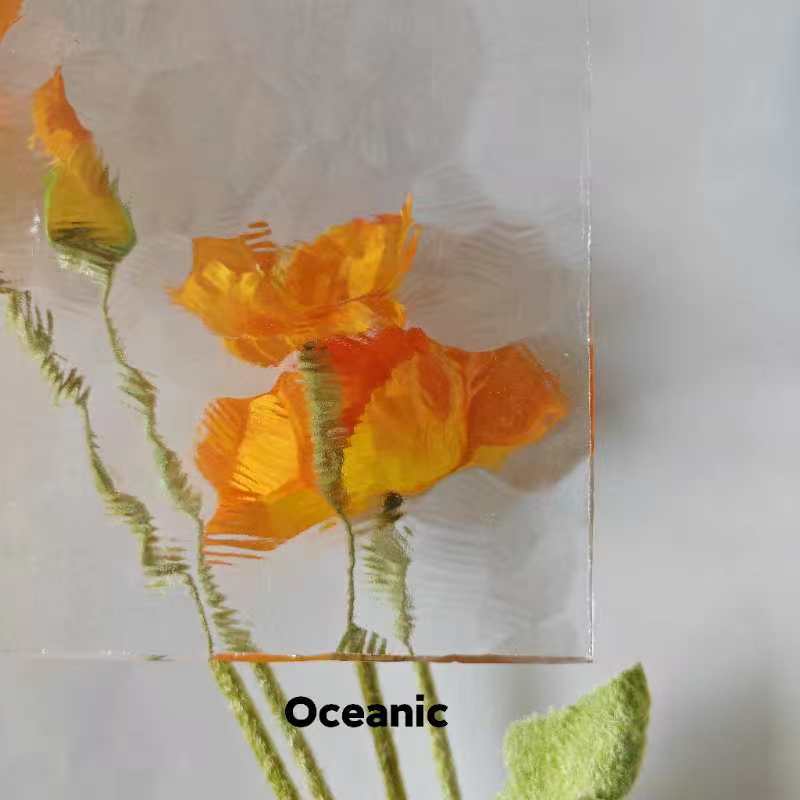
Patterned glass is a rolled glass produced by passing molten glass between textured rollers, imprinting a repeatable design that modulates light and provides varying levels of privacy. Within architectural glass and Processed Glass, Types Of Patterned Glass span ribbed, reeded, fluted, moru, rain, diamond, and geometric motifs—each with distinct light transmission, diffusion, and visual privacy characteristics. Typical thickness options range from 3–10 mm, with clear and low-iron (ultra-clear) substrates widely used. As a downstream product, patterned glass can be cut-to-size, edge-finished, toughened (tempered), laminated, or integrated into insulated glass units (IGUs) for enhanced safety and energy performance. In commercial interiors, patterned glass panels help define space while maintaining daylighting. In doors and storefronts, the texture elevates aesthetics and reduces direct sightlines.
Patterned glass is highly versatile across the building envelope and interiors. Common applications include patterned glass for doors (conference-room sliders, hospitality room dividers), patterned glass for external doors and entry systems, partition walls, balustrade infills (when laminated), shower screens, cabinet fronts, and decorative feature walls. In Processed Glass workflows, it can be tempered for safety, laminated for impact or acoustic performance, and combined in IGUs to meet energy targets—without sacrificing visual texture. For developers and GCs, this delivers a single material that addresses code, aesthetics, and occupant comfort.
From a total cost of ownership perspective, patterned glass delivers strong value. It achieves privacy and visual interest without the recurring costs of films, curtains, or blinds—and it resists everyday wear because the texture is formed in the glass itself. Routine maintenance is simple: standard, non-abrasive cleaning is sufficient, and the pattern helps disguise fingerprints and minor smudges better than high-gloss surfaces. For high-traffic areas and doors, specifying tempered or laminated patterned glass increases durability and safety, further extending lifecycle value.
Sustainability priorities—daylighting, glare management, and material longevity—are elevating demand for patterned glass panels. By diffusing natural light, these products help reduce reliance on artificial lighting and support visual comfort, which aligns with green building frameworks. When combined in IGUs or laminated makeups, patterned glass contributes to energy performance and safety targets without complex add-ons. Market trends also point to increased use of reeded/fluted patterns in modern interiors, privacy-focused workspaces, and hospitality environments where brand expression and tactile surfaces matter.
For architects, contractors, and fabricators, Types Of Patterned Glass offers a practical blend of privacy, daylight, durability, and design expression across interiors and exterior entry systems. As a B2B supplier, Shahe Top Glass CO.,LTD. delivers consistent quality, precise processing, and dependable supply for patterned glass for doors, patterned glass for external doors, and custom patterned glass panels. Ready to source patterned glass for sale at scale or discuss specifications? Contact us: email: eoch@shtopglass.com — Visit our website: https://www.tptopglass.com

Shahe City economic Development Zone 32,hebei,P.R .China.

+8618686009698
+8613191439158

eoch@shtopglass.com
jason@shtopglass.com