



When people ask me about types of reflective glass, they’re usually balancing aesthetics, privacy, and energy numbers—often on a tight schedule. Reflective glass (sometimes called one-way mirror) is float glass with a thin metal layer—silver, or alloy stacks—applied to one side. The result: daylight control, mirrored exterior, and a clean, modern facade. Origin note: Shahe City economic Development Zone 32, Hebei, P.R. China.
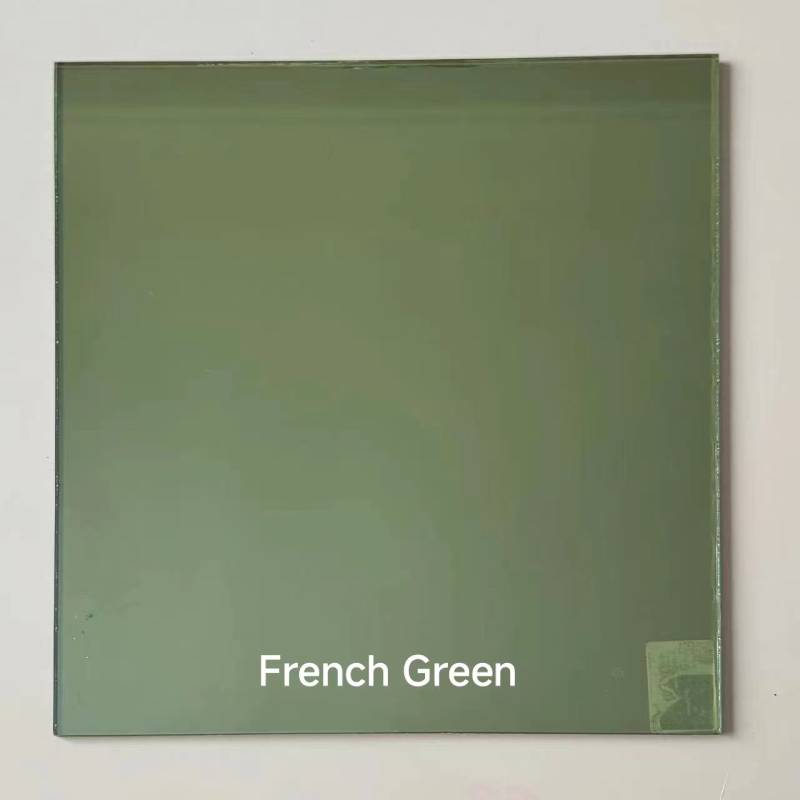
Across commercial facades, data centers, and retail fit-outs, demand for types of reflective glass is up because it blends privacy with solar control. Architects are pairing reflective with Low‑E inside insulated glass units (IGUs) to tune SHGC without losing that punchy exterior look. Honestly, the pricing has stayed fairly steady, but lead times can wobble in peak building seasons.
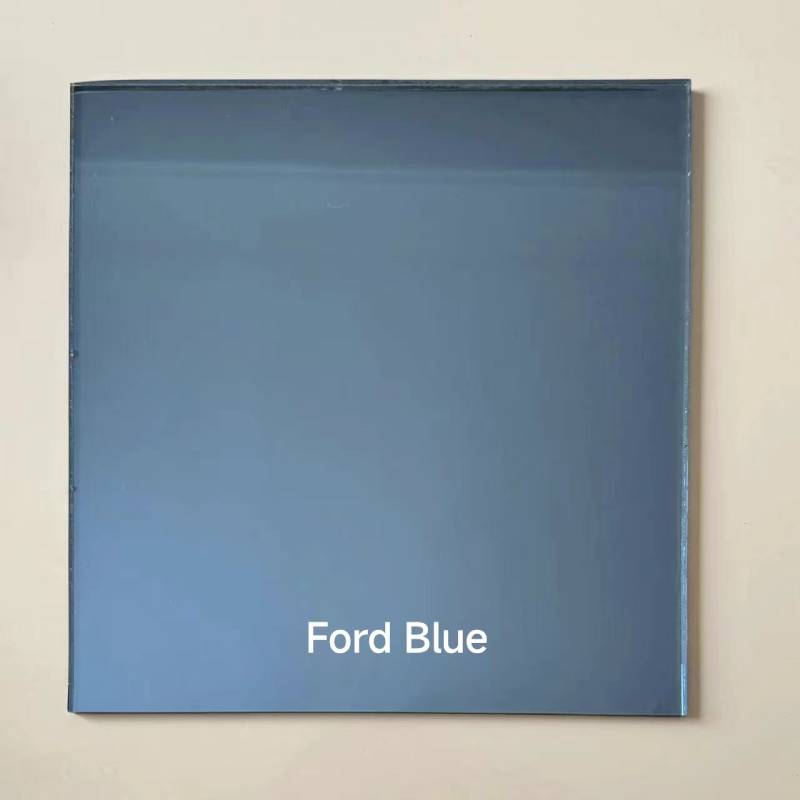
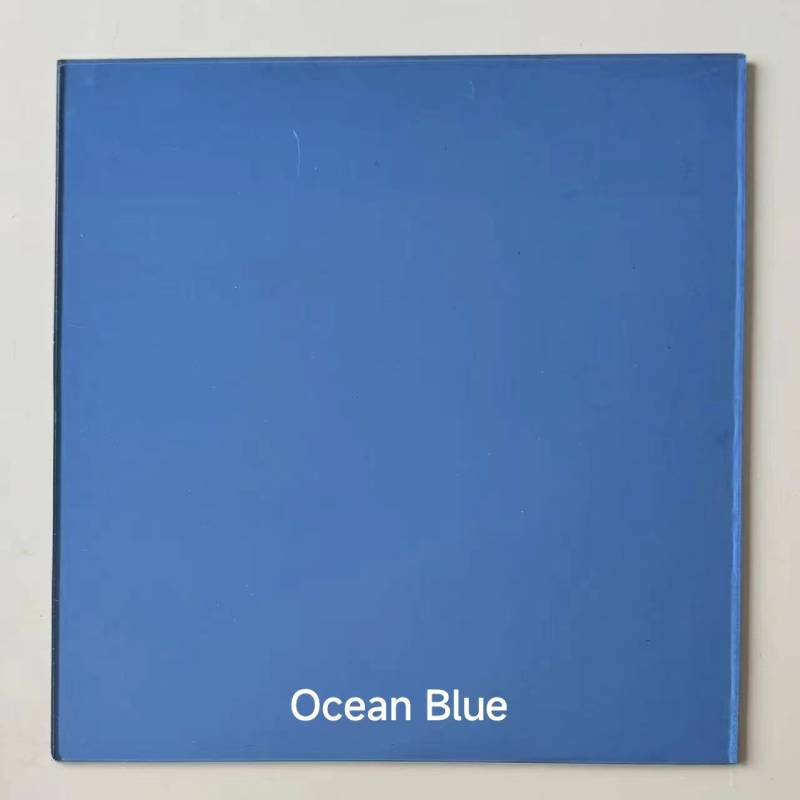
Hot thicknesses: 4, 5, 5.5, 6, 8, 10 mm. Hot sizes: 3300×2140, 3660×2140, 3300×2250, 3660×2250, 3300×2440, 3660×2440, 1650×2140/2250/2440, 1830×2140/2440 (others by request).
| Type | Coating | Thickness | VLT ≈ | Ext. Reflectance ≈ | SHGC (IGU) ≈ | Colors |
|---|---|---|---|---|---|---|
| Pyrolytic | Hard-coat | 4–10 mm | 20–45% | 20–35% | 0.32–0.45 | Silver, Bronze, Blue |
| MSVD/Sputter | Soft-coat | 4–10 mm | 8–35% | 30–50% | 0.18–0.38 | Grey, Green, Neutral |
Note: values per ISO 9050 methodology; real-world use may vary with IGU build, spacer, and orientation.
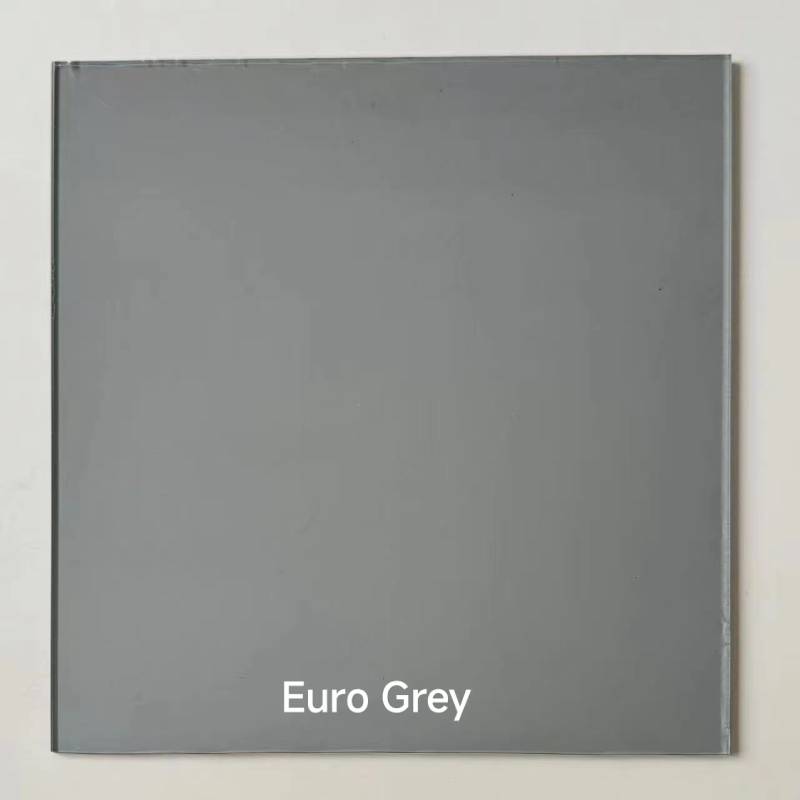
To be honest, the night-time privacy flips—if interior lights are on, visibility increases. Designers usually plan shading or lighting controls to balance that.
| Vendor | Location | Tech | Lead time ≈ | Certs | Warranty |
|---|---|---|---|---|---|
| TPTOP Glass (Reflective Glass) | Shahe, Hebei, CN | Pyrolytic, MSVD | 2–5 weeks | CE, CCC, IGCC | 10 yrs IGU seal |
| Vendor A | EU | MSVD focus | 4–7 weeks | EN 1096, CE | 10 yrs |
| Vendor B | NA | Pyrolytic | 3–6 weeks | SGCC, ANSI | 10 yrs |
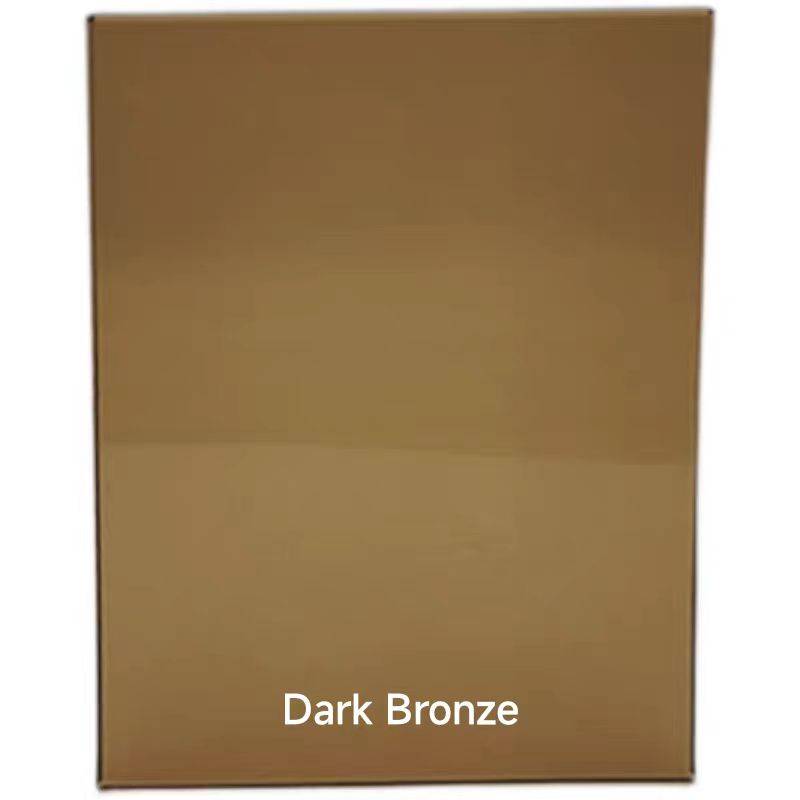
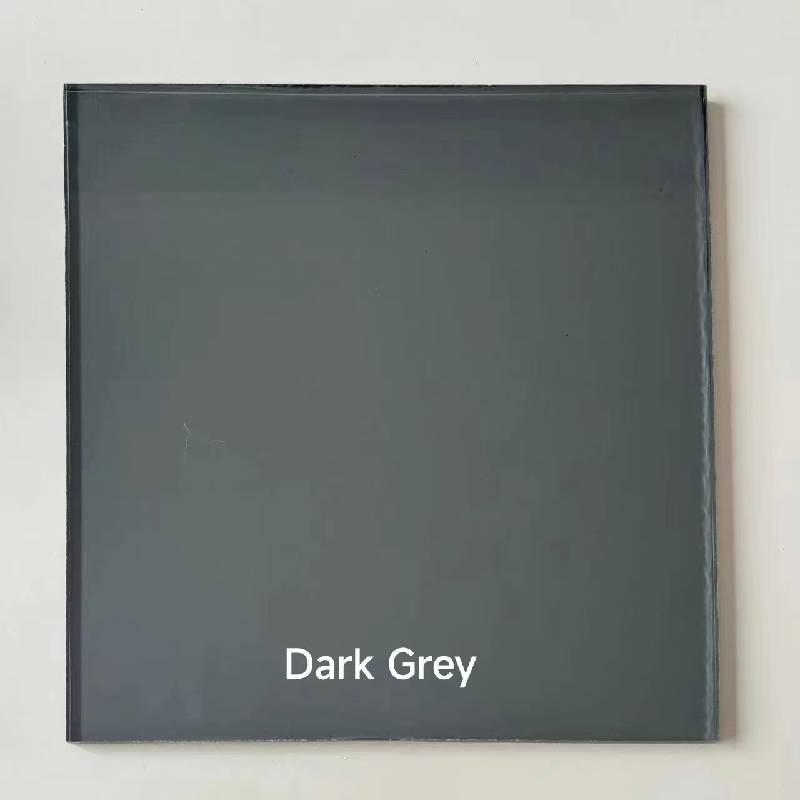
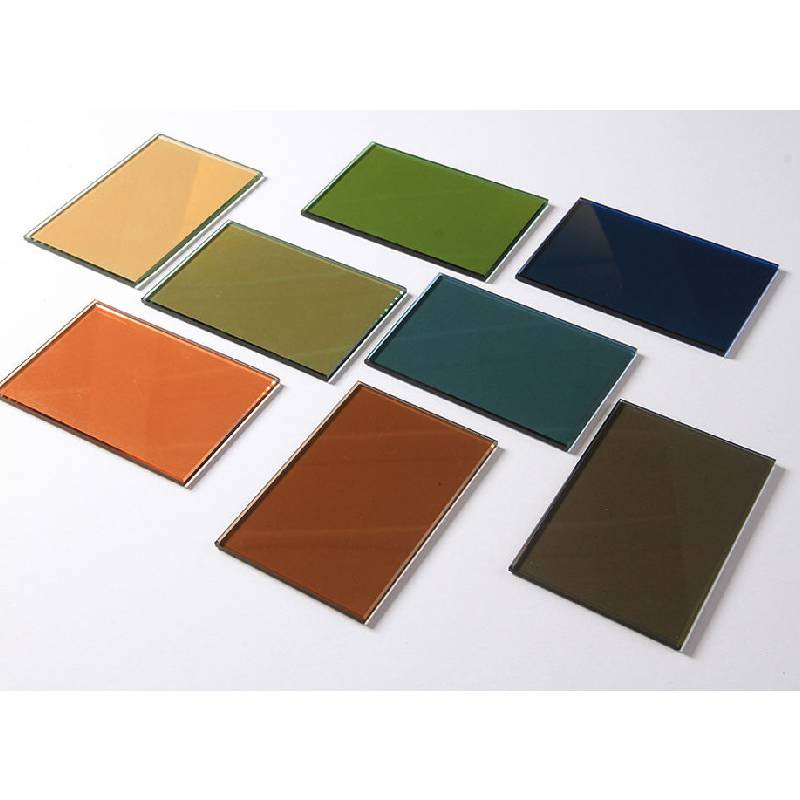
Finish palette: silver, bronze, blue, green, grey; edgework (flat, arris), tempering, lamination, ceramic frit, IGUs pairing reflective + Low‑E for U‑value ≈1.6–2.0 W/m²·K. Quality checks include adhesion (EN 1096‑2), humidity resistance, salt‑spray where relevant, and IGU gas retention (EN 1279‑3). Batch reports usually include VLT, Rext/Rint, SHGC, and color coordinates—ask for the full data pack.
Look for CE/CCC/IGCC/SGCC marks, test summaries to ISO 9050, EN 1096, ASTM C1376, and safety glazing to ANSI Z97.1/EN 12150. For public projects, submittals should include coating durability class and IGU seal warranty.
Authoritative citations

Shahe City economic Development Zone 32,hebei,P.R .China.

+8618686009698
+8613191439158

eoch@shtopglass.com
jason@shtopglass.com