



If you’re mapping out privacy, light control, and a clean design language in one material, acid etched glass keeps coming up in project meetings. To be honest, it’s because it solves three problems at once: glare, fingerprints (when coated), and awkward sightlines. I’ve toured plants from Hebei to Hamburg; the best lines produce an even, velvet-matte that looks expensive without drama.
Open offices aren’t going away, but transparency is getting curated. Designers want diffused daylight with controlled privacy, hence the surge in acid etched glass for partitions, shower screens, and retail façades. Two strong trends: low-iron substrates for truer whites, and anti-fingerprint top coats for high-touch doors. Surprisingly, hospitality is ordering gradient etches more than solid frost—so brand graphics breathe without shouting.
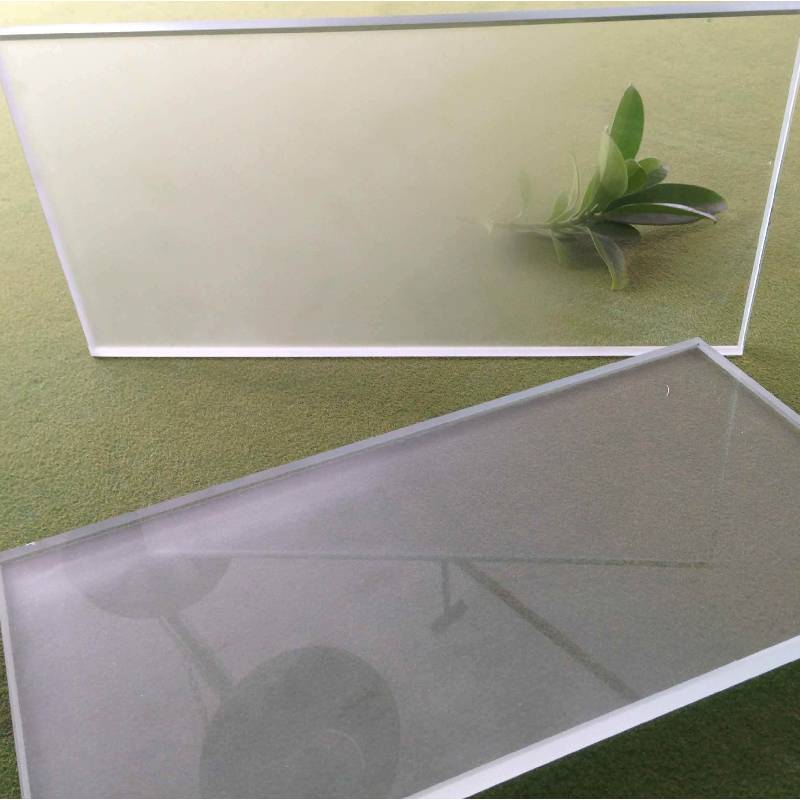
Base material is float glass—clear or low-iron—sourced in jumbo sizes. Sheets are masked (if patterning), then exposed to an HF-based etchant that microscopically dissolves the surface. After a timed dwell, the glass is neutralized, DI-water washed, and dried in filtered air. Optional steps: ceramic-ink logos, hydrophobic/oleophobic top coat, then tempering/laminating if safety-rated. Plants that care run gloss uniformity checks and haze tests on every batch; the matte should feel satiny, not chalky.
| Parameter | Spec / Range | Notes |
|---|---|---|
| Thickness | 4, 5, 6, 8, 10, 12 mm (others by request) | Common “hot” gauges for doors/partitions |
| Max size | 3660 × 2440 mm | Jumbo handling required |
| Light transmittance | ≈60–90% (ISO 9050) | Varies by haze level |
| Haze | ≈80–97% (ASTM D1003) | Higher haze = more privacy |
| Surface roughness (Ra) | ≈0.6–1.2 μm | Soft-touch matte, not powdery |
| Options | Tempered, laminated, IGU, anti-fingerprint coat | Safety and performance add-ons |
Use cases: office partitions and doors, hotel bathrooms, retail fitting rooms, cabinet doors, stair balustrades (when laminated), and signage backdrops. Many customers say the best part is how acid etched glass keeps daylight but mutes clutter. One facilities manager told me, “We stopped fighting fingerprints after switching to the oleophobic finish.” I guess maintenance teams agree.
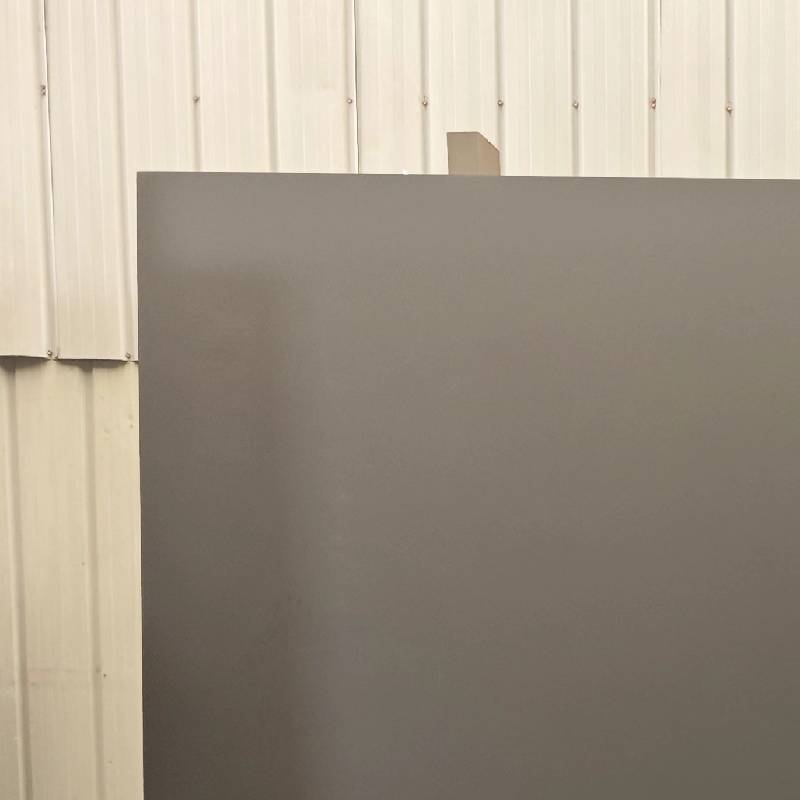
Patterns (dots, lines, geometric fields), gradient bands, logo reveals, color interlayers, and mixed finishes (one side etched, one side clear). Edges can be flat-polished, arrised, or mitered; holes/notches are drilled pre-temper. Lead times for bespoke patterns are usually around 2–4 weeks after artwork sign-off.
Origin for TPTop’s line: Shahe City economic Development Zone 32,hebei, P.R. China. Here’s a quick comparison I keep on hand—your mileage may vary, of course.
| Vendor | Max Size | Lead Time | Certs | Notes |
|---|---|---|---|---|
| TPTop Glass (Hebei) | 3660×2440 mm | ≈10–20 days | EN 12150, ANSI Z97.1, ISO 9001 | Strong on uniform haze and jumbo runs |
| Regional Fabricator | 2440×1830 mm | ≈3–7 days | Local safety marks | Fast repeats; limited jumbo |
| Global Brand House | 3210×2250 mm | ≈4–6 weeks | CE, SGCC, GREENGUARD | Premium coatings, higher cost |
Citations:

Shahe City economic Development Zone 32,hebei,P.R .China.

+8618686009698
+8613191439158

eoch@shtopglass.com
jason@shtopglass.com