
logo
Sep . 08, 2025 19:14 Kembali kepada senarai

Explore Types of Reflective Glass: Energy Saving & Glare Control

Understanding Reflective Glass in Modern Architecture and Industry

In the rapidly evolving landscape of construction and specialized industrial applications, the choice of glazing materials plays a pivotal role in achieving desired aesthetic, functional, and energy performance metrics. Among the advanced glazing options, reflective glass stands out for its unique ability to control solar heat gain and enhance visual privacy. This comprehensive guide delves into the various types of reflective glass, exploring their technical intricacies, manufacturing processes, diverse applications, and profound advantages for B2B decision-makers and engineering professionals.

Our discussion will cover everything from the fundamental principles of solar control to the nuanced differences between various coating technologies, providing a holistic view essential for informed specification and procurement.

Current Industry Trends and Market Dynamics

The global market for reflective glass is experiencing robust growth, driven by an increasing emphasis on energy efficiency, sustainable building practices, and the aesthetic demands of modern architecture. Key trends include:

  • Enhanced Thermal Performance: There is a strong demand for reflective coatings that offer superior U-values and Solar Heat Gain Coefficients (SHGC), crucial for meeting stringent energy codes and reducing HVAC loads in commercial and residential buildings.
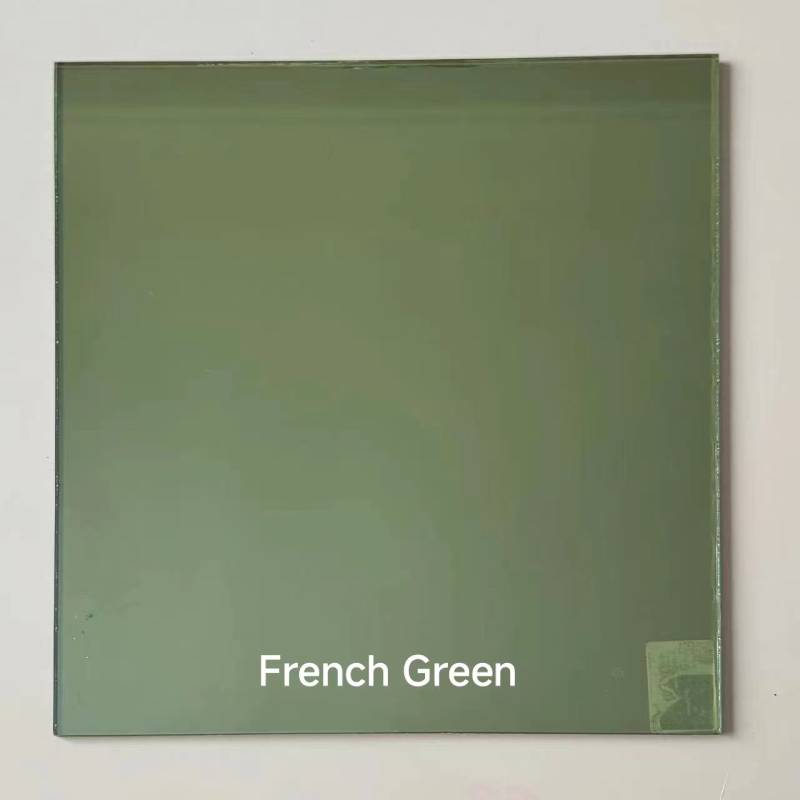
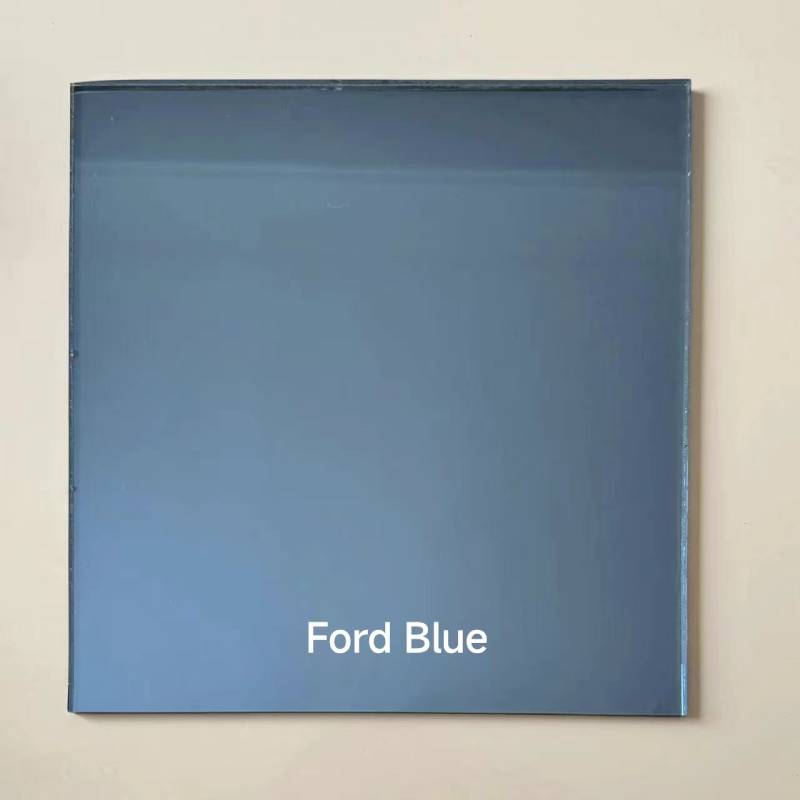
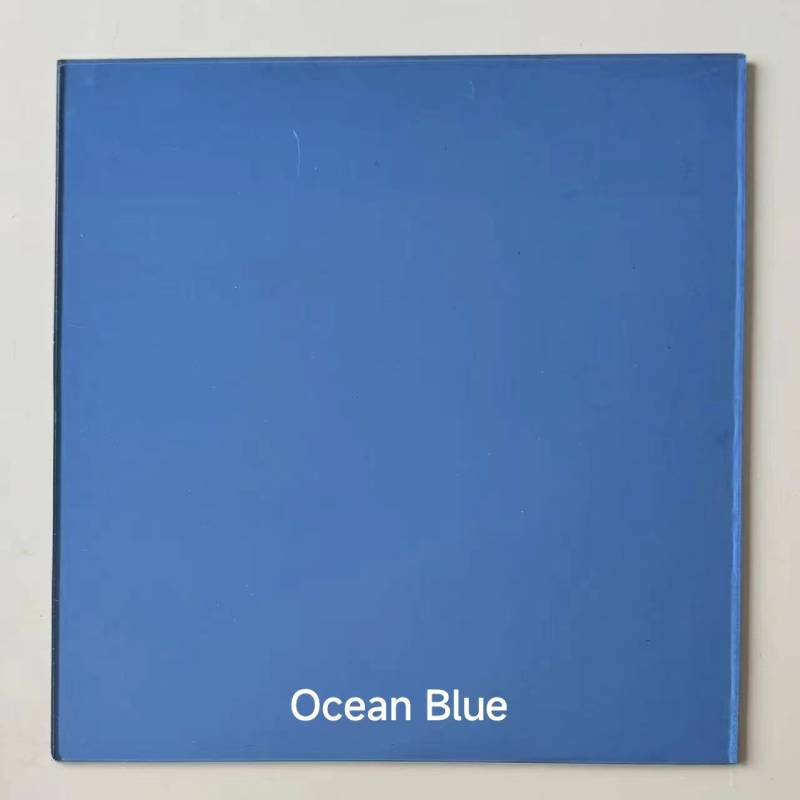
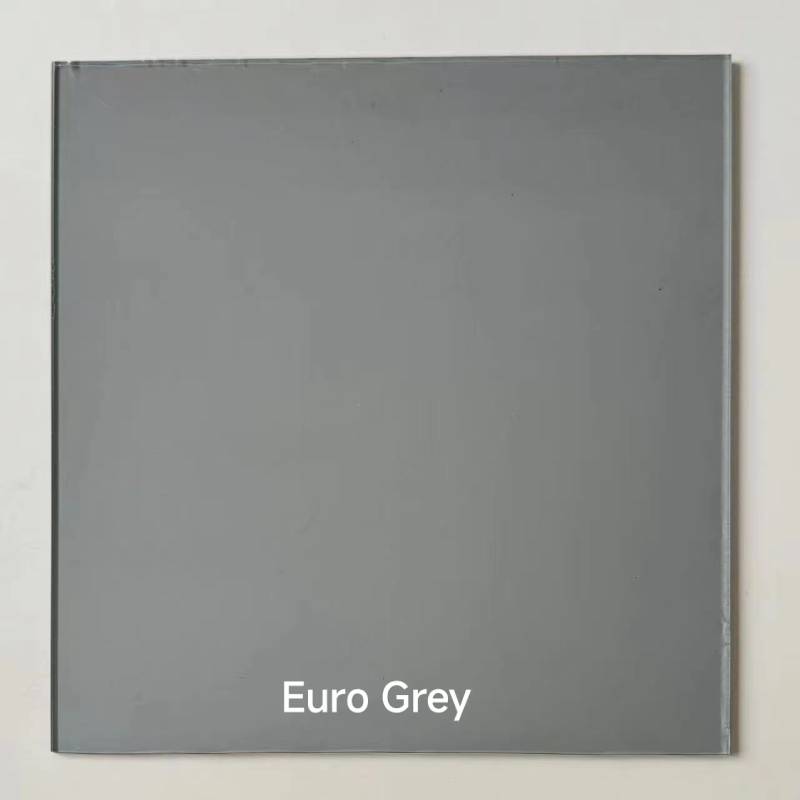
  • Aesthetic Versatility: Architects are seeking a wider array of colors and reflectance levels to achieve distinct building aesthetics, moving beyond traditional silver and bronze hues to include blue, green, and neutral tones.
  • Smart Glass Integration: The integration of reflective coatings with smart glass technologies (e.g., electrochromic, thermochromic) for dynamic solar control and privacy solutions is an emerging trend.
  • Durability and Longevity: Advancements in coating technology are leading to more durable films that resist scratching, corrosion, and delamination, extending the service life of reflective glass products.
  • Sustainability Focus: Manufacturers are increasingly adopting environmentally friendly production processes and offering products with lower embodied energy, aligning with global sustainability goals.

According to industry reports, the global architectural glass market, including reflective variants, is projected to reach approximately $150 billion by 2027, with significant growth in the Asia-Pacific region due to rapid urbanization and infrastructure development.
Explore Types of Reflective Glass: Energy Saving & Glare Control

The Manufacturing Process of Reflective Glass

The creation of types of reflective glass involves sophisticated processes to apply metallic or metal-oxide coatings onto a standard float glass substrate. These coatings are responsible for the glass's reflective properties, controlling solar radiation, and enhancing privacy. The primary methods include:

1. Magnetron Sputtering (Offline Coating)

  • Process: This is a vacuum deposition method where glass sheets are placed in a vacuum chamber. Targets made of metals (e.g., silver, chrome, stainless steel) or metal oxides are bombarded with argon ions, causing atoms to be ejected (sputtered) and deposited onto the glass surface in ultra-thin, uniform layers. Multiple layers are often applied to create specific optical and thermal properties.
  • Materials: Float glass substrate, various metals (silver, chromium), metal oxides (titanium dioxide, silicon dioxide) for anti-reflection or protective layers.
  • Advantages: High precision, wide range of aesthetic options, excellent thermal performance (low-e properties), suitability for producing various types of reflective glass.
  • Limitations: Coatings are typically softer and require edge deletion for lamination or insulation; susceptible to scratching if not handled carefully.

2. Chemical Vapor Deposition (CVD) or Pyrolytic Coating (Online Coating)

  • Process: In this method, gases containing metallic compounds are applied to the hot glass surface while it is still on the float line. The high temperature causes a chemical reaction, bonding the coating directly to the glass surface.
  • Materials: Float glass substrate, various metal precursor gases.
  • Advantages: Extremely durable, hard coating that is an integral part of the glass surface, can be cut, tempered, and bent without affecting the coating. Often used for single-pane glass reflective applications.
  • Limitations: Fewer color options and typically less control over thermal performance compared to magnetron sputtering.

Testing Standards and Quality Assurance

Semua types of reflective glass undergo rigorous testing to ensure compliance with international standards. Key standards include:

  • ISO 9001: For quality management systems throughout the manufacturing process.
  • EN 1096 (Europe): Specifies requirements for coated glass.
  • ASTM C1376 (USA): Standard specification for Pyrolytic and Vacuum Deposition Coatings on Flat Glass.
  • ANSI Z97.1: Safety glazing materials used in buildings.

These standards cover aspects like optical properties (visible light transmittance, reflectance), solar properties (SHGC, U-value), durability (abrasion, chemical resistance), and mechanical strength.

Service Life and Target Industries

The service life of high-quality reflective glass typically exceeds 20-30 years, especially when used in insulated glass units (IGUs) where the coating is protected from environmental exposure. Target industries include:
  • Architectural & Construction: Commercial buildings, high-rise residential, facades, skylights.
  • Automotive: Specialty vehicles, sunroofs, privacy glass.
  • Solar Energy: Collector covers, thermal solar applications.
  • Electronics: Display screens (where non glare glass properties are crucial).
  • Specialized Industrial: Observation windows in environments requiring specific light or heat control.
Explore Types of Reflective Glass: Energy Saving & Glare Control

Technical Specifications and Performance Parameters

Selecting the appropriate types of reflective glass requires a thorough understanding of their key technical specifications. These parameters dictate the glass's performance in terms of energy efficiency, light transmission, and aesthetic appeal.

Key Performance Indicators for Reflective Glass

  • Visible Light Transmittance (VLT): The percentage of visible light that passes through the glass. Lower VLT means more privacy and less glare.
  • Visible Light Reflectance (VLR): The percentage of visible light reflected by the glass surface. Higher VLR indicates greater reflectivity and privacy.
  • Solar Heat Gain Coefficient (SHGC): The fraction of incident solar radiation admitted through a window, directly transmitted, and absorbed and subsequently released inward. Lower SHGC means less heat gain.
  • U-value (or U-factor): Measures the rate of heat transfer through a window due to temperature differences between indoor and outdoor air. Lower U-value indicates better insulation.
  • Shading Coefficient (SC): The ratio of solar heat gain through a given glazing system to the solar heat gain through a single pane of 3mm clear float glass under the same conditions. Lower SC indicates better shading.
  • UV Transmittance: The percentage of ultraviolet radiation that passes through the glass. Lower UV transmittance is crucial for protecting interiors from fading.

Typical Reflective Glass Product Specifications (Example)

Parameter Clear Reflective (6mm) Bronze Reflective (6mm) Blue Reflective (6mm) Green Reflective (6mm)
Visible Light Transmittance (VLT) 42% 18% 12% 14%
Visible Light Reflectance (VLR) 32% 35% 30% 28%
Solar Heat Gain Coefficient (SHGC) 0.30 0.23 0.21 0.22
U-value (W/m²K) 5.7 (single pane) 5.7 (single pane) 5.7 (single pane) 5.7 (single pane)
UV Transmittance 30% 15% 12% 13%

Note: These values are for single pane glass. Performance significantly improves when reflective glass is incorporated into Insulated Glass Units (IGUs) with low-emissivity coatings and inert gas infills (e.g., argon).
Explore Types of Reflective Glass: Energy Saving & Glare Control

Diverse Application Scenarios

The versatility of types of reflective glass makes them indispensable across a wide range of applications, offering benefits in energy management, aesthetics, and privacy.

  • Commercial Building Facades: High-rise offices, retail centers, and hotels extensively use reflective glass for stunning architectural expressions, reducing air conditioning costs, and providing privacy for occupants. The reflective surface also minimizes light pollution for neighboring buildings.
  • Residential Glazing: While less common for entire facades, reflective coatings are applied to windows in homes situated in sunny climates or where increased privacy is desired. Options like semi reflective glass can offer a balance between light transmission and solar control.
  • Skylights and Atriums: In large overhead glazing, reflective glass is critical for preventing excessive heat gain and glare, ensuring comfortable interior environments without compromising natural light.
  • Specialized Industrial Facilities: In sectors like petrochemical and metallurgy, reflective glass can be used in observation windows to protect against intense heat radiation from furnaces or process equipment, improving safety and reducing thermal stress on the viewing pane.
  • Automotive Industry: Used in vehicle windows, especially for luxury cars and buses, to enhance privacy, reduce solar heat inside the cabin, and improve fuel efficiency by lowering AC usage.
  • Display Cases and Retail Stores: Where UV protection is crucial to prevent merchandise fading, and a subtle reflective quality can enhance product presentation while maintaining environmental control.

Customer feedback consistently highlights the long-term energy savings and improved occupant comfort as primary drivers for selecting high-performance reflective glass solutions. For instance, a major commercial complex in Dubai reported a 25% reduction in cooling energy consumption after upgrading to high-performance reflective glass.
Explore Types of Reflective Glass: Energy Saving & Glare Control

Technical Advantages and Benefits

The strategic implementation of types of reflective glass offers a multitude of technical and economic advantages:
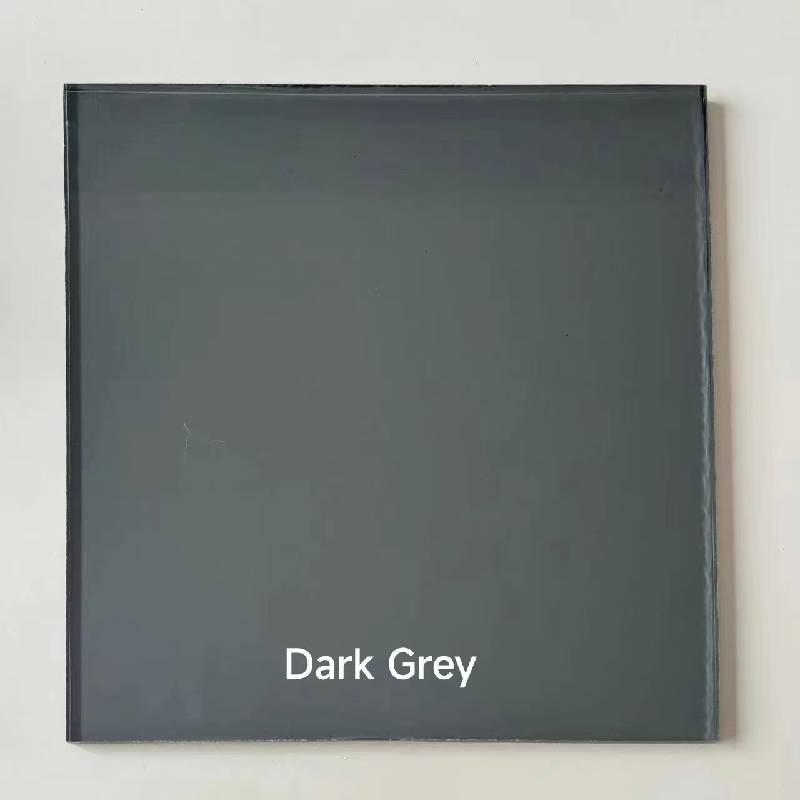
  • Superior Solar Control: Reflective coatings effectively block a significant portion of solar radiation, reducing heat transfer into buildings. This leads to substantial energy savings by decreasing the load on air conditioning systems, especially in hot climates.
  • Glare Reduction: By reflecting excess sunlight, reflective glass minimizes glare, creating more comfortable interior environments for occupants and improving visual clarity, particularly important for office spaces.
  • Enhanced Privacy: The mirrored appearance of reflective glass provides privacy during daylight hours, preventing outsiders from looking in while maintaining outward visibility for occupants.
  • UV Protection: Most reflective coatings also offer excellent UV filtration, protecting interior furnishings, artwork, and occupants from harmful ultraviolet rays that cause fading and degradation.
  • Aesthetic Flexibility: Available in a variety of colors and reflectivity levels, reflective glass allows architects to achieve diverse design aesthetics, contributing to unique and modern building facades.
  • Improved Occupant Comfort: By maintaining a more stable indoor temperature and reducing glare, reflective glass significantly enhances the comfort and productivity of building occupants.
  • Corrosion Resistance (for Pyrolytic types): Pyrolytic reflective coatings are exceptionally durable and resistant to environmental corrosion and chemical attack, making them suitable for challenging industrial environments.
Explore Types of Reflective Glass: Energy Saving & Glare Control

Vendor Comparison and Customization Options

When selecting types of reflective glass, it is crucial to consider the offerings of various manufacturers, focusing on their technology, quality, and customization capabilities.

Key Differentiation Points Among Vendors

  • Coating Technology: Vendors specialize in either pyrolytic (hard coat) or magnetron sputtering (soft coat) methods, each offering distinct advantages in durability, performance, and cost. Soft coats typically offer superior thermal performance, while hard coats excel in durability and ease of processing.
  • Product Range and Aesthetics: The breadth of available colors, reflectance levels, and glass thicknesses varies. Some vendors offer semi reflective glass options for a more subtle effect, or high-reflectance options for maximum privacy and solar control.
  • Certifications and Standards: Reputable manufacturers adhere to international quality and performance standards (e.g., ISO, CE, SGCC), ensuring product reliability and compliance.
  • Customization Capabilities: The ability to provide custom sizes, shapes, edgework, and integrate reflective coatings into complex IGUs or laminated glass is a significant factor for bespoke projects.
  • Technical Support and R&D: Vendors with strong R&D departments and dedicated technical support can offer valuable assistance in product selection and application engineering.

Customized Solutions

Leading manufacturers offer extensive customization options to meet specific project requirements:
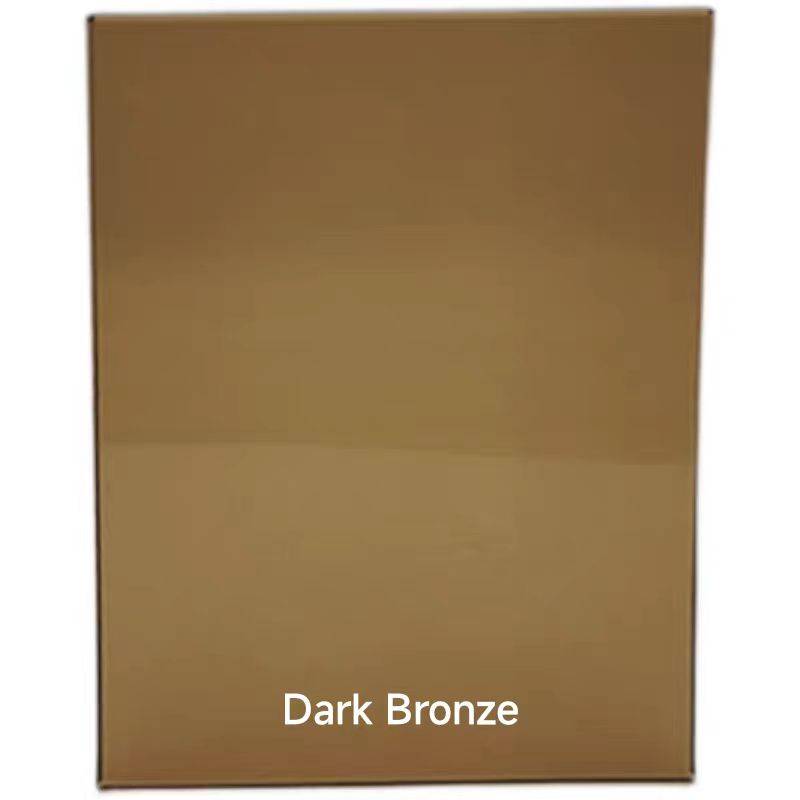
  • Tailored Performance: Adjusting coating layers to achieve precise VLT, SHGC, and U-value targets. This might involve combining reflective coatings with low-emissivity layers.
  • Color and Aesthetics: Developing custom colors or reflectance levels to match architectural palettes or branding requirements.
  • Fabrication Options: Providing glass in specific dimensions, complex shapes, with holes, notches, or various edge finishes.
  • Integration with Other Glass Types: Combining reflective glass with laminated safety glass, tempered glass, insulated glass units (IGUs), or even patterned glass to enhance multiple functionalities. For example, a project might require laminated reflective glass for both safety and solar control.
Explore Types of Reflective Glass: Energy Saving & Glare Control

Application Case Studies

Real-world examples demonstrate the tangible benefits of incorporating advanced types of reflective glass into diverse projects.
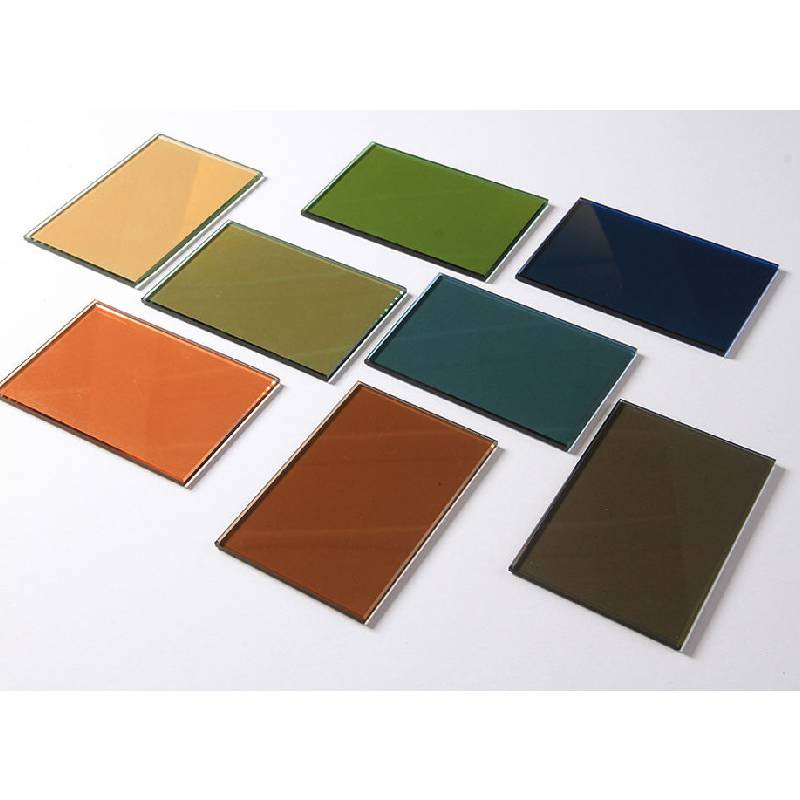
Case Study 1: High-Rise Office Tower, Hot Climate

  • Challenge: An office tower in a subtropical climate faced exorbitant cooling costs and high interior temperatures due to intense solar radiation through its conventional glazing.
  • Solution: Installation of double-glazed IGUs featuring a high-performance, magnetron-sputtered reflective glass (VLT 15%, SHGC 0.18) on the outer pane, combined with a low-e coating on the inner pane.
  • Outcome: The building achieved a 35% reduction in peak cooling load, leading to annual energy savings of over $150,000. Occupant comfort significantly improved, reducing complaints related to glare and heat. The reflective facade also contributed to the building's striking modern aesthetic.

Case Study 2: Industrial Control Room, Metallurgy Plant

  • Challenge: An observation window in a steel mill's control room was exposed to extreme radiant heat from a nearby furnace, causing discomfort and potential safety risks for operators.
  • Solution: A specialized, heat-resistant, pyrolytic reflective glass was used as part of a multi-pane viewing assembly. This particular type of coating offered superior durability against the harsh industrial environment and high reflectivity in the infrared spectrum.
  • Outcome: The radiant heat transmitted through the window was reduced by over 80%, ensuring a safe and comfortable working environment for the control room operators. The robust pyrolytic coating resisted abrasion and chemical exposure, ensuring long-term clarity and performance.
Explore Types of Reflective Glass: Energy Saving & Glare Control

Frequently Asked Questions (FAQ)

Q1: What is the main difference between pyrolytic and magnetron sputtered reflective glass?

A1: Pyrolytic (hard coat) reflective glass is manufactured online, with the coating bonded directly to the hot glass surface, making it highly durable and suitable for tempering. Magnetron sputtered (soft coat) reflective glass is manufactured offline in a vacuum chamber, allowing for multiple, finer layers to achieve superior thermal performance, but the coating is less durable and typically requires protection within an IGU.

Q2: Can reflective glass be used in cold climates?

A2: While primarily known for solar control in hot climates, reflective glass can be beneficial in cold climates when combined with low-emissivity coatings within an IGU. The reflective layer can still reduce solar heat gain on sunny winter days, preventing overheating, while the low-e coating helps retain indoor heat.

Q3: How does reflective glass contribute to energy savings?

A3: By reflecting a significant portion of incident solar radiation, reflective glass substantially reduces the amount of solar heat that enters a building. This lowers the workload on air conditioning systems, leading to reduced electricity consumption and significant cost savings.

Q4: Is non glare glass the same as reflective glass?

A4: Not precisely. While reflective glass reduces glare by reflecting light, non glare glass (often anti-reflective glass) specifically aims to minimize reflections and maximize light transmission for clarity, typically used in displays, picture frames, or museum cases. Reflective glass's primary function is solar control and privacy, whereas anti-reflective glass focuses on optical clarity.

Q5: What are the typical lead times for custom reflective glass orders?

A5: Lead times for custom types of reflective glass can vary based on complexity, volume, and specific coating requirements. Generally, standard reflective glass orders can be fulfilled within 2-4 weeks. Highly specialized or large-volume orders may require 6-10 weeks, including design, manufacturing, and quality assurance processes. We recommend early engagement with our sales team for precise lead time estimates for your project.

Warranty Commitments and Customer Support

We stand behind the quality and performance of our reflective glass products with comprehensive warranty programs and dedicated customer support. Our warranty typically covers:

  • Coating Delamination and Degradation: Protection against premature failure of the reflective coating under normal use and maintenance for a period of 5-10 years, depending on the specific product type and application.
  • Optical Integrity: Assurance against significant changes in optical properties (e.g., haziness, excessive color shifts) beyond specified tolerances.
  • IGU Seal Failure: For insulated glass units containing reflective glass, a warranty period of 10-20 years against seal failure (fogging between panes).

Our professional customer support team is available to assist with product selection, technical inquiries, order tracking, and after-sales service. We offer comprehensive documentation, installation guides, and troubleshooting assistance to ensure successful project implementation and long-term satisfaction. For detailed warranty information specific to your project, please contact our sales or technical support department.

Conclusion

The diverse types of reflective glass offer architects, builders, and industrial engineers powerful tools for optimizing building performance, enhancing aesthetics, and achieving critical functional requirements. From superior solar control and energy savings to enhanced privacy and UV protection, the benefits are clear. By understanding the manufacturing processes, technical specifications, and various application scenarios, professionals can make informed decisions that contribute to sustainable, efficient, and visually striking projects. Partnering with experienced manufacturers ensures access to high-quality products and tailored solutions, paving the way for successful outcomes in an increasingly demanding market.

References

  1. 1. International Organization for Standardization (ISO). ISO 9001:2015 - Quality management systems - Requirements.
  2. 2. European Committee for Standardization (CEN). EN 1096-1:2012 Glass in building - Coated glass - Part 1: Definitions and general classification.
  3. 3. American Society for Testing and Materials (ASTM). ASTM C1376 Standard Specification for Pyrolytic and Vacuum Deposition Coatings on Flat Glass.
  4. 4. American National Standards Institute (ANSI). ANSI Z97.1 Standard for Safety Glazing Materials Used in Buildings.
  5. 5. Lawrence Berkeley National Laboratory (LBNL). Windows and Glazing. Accessible at: windows.lbl.gov
  6. 6. Glass Magazine. Various market reports and technical articles on architectural glass trends.
  7. 7. US Department of Energy. Energy Savers Guide: Efficient Windows. Accessible at: energy.gov
Kongsi
Sep . 08, 2025 16:38 Kembali kepada senarai

Explore Types of Reflective Glass: Energy Saving & Glare Control

Understanding Reflective Glass in Modern Architecture and Industry

In the rapidly evolving landscape of construction and specialized industrial applications, the choice of glazing materials plays a pivotal role in achieving desired aesthetic, functional, and energy performance metrics. Among the advanced glazing options, reflective glass stands out for its unique ability to control solar heat gain and enhance visual privacy. This comprehensive guide delves into the various types of reflective glass, exploring their technical intricacies, manufacturing processes, diverse applications, and profound advantages for B2B decision-makers and engineering professionals.

Our discussion will cover everything from the fundamental principles of solar control to the nuanced differences between various coating technologies, providing a holistic view essential for informed specification and procurement.

Current Industry Trends and Market Dynamics

The global market for reflective glass is experiencing robust growth, driven by an increasing emphasis on energy efficiency, sustainable building practices, and the aesthetic demands of modern architecture. Key trends include:

  • Enhanced Thermal Performance: There is a strong demand for reflective coatings that offer superior U-values and Solar Heat Gain Coefficients (SHGC), crucial for meeting stringent energy codes and reducing HVAC loads in commercial and residential buildings.
  • Aesthetic Versatility: Architects are seeking a wider array of colors and reflectance levels to achieve distinct building aesthetics, moving beyond traditional silver and bronze hues to include blue, green, and neutral tones.
  • Smart Glass Integration: The integration of reflective coatings with smart glass technologies (e.g., electrochromic, thermochromic) for dynamic solar control and privacy solutions is an emerging trend.
  • Durability and Longevity: Advancements in coating technology are leading to more durable films that resist scratching, corrosion, and delamination, extending the service life of reflective glass products.
  • Sustainability Focus: Manufacturers are increasingly adopting environmentally friendly production processes and offering products with lower embodied energy, aligning with global sustainability goals.

According to industry reports, the global architectural glass market, including reflective variants, is projected to reach approximately $150 billion by 2027, with significant growth in the Asia-Pacific region due to rapid urbanization and infrastructure development.

types of reflective glass for modern architecture

The Manufacturing Process of Reflective Glass

The creation of types of reflective glass involves sophisticated processes to apply metallic or metal-oxide coatings onto a standard float glass substrate. These coatings are responsible for the glass's reflective properties, controlling solar radiation, and enhancing privacy. The primary methods include:

1. Magnetron Sputtering (Offline Coating)

  • Process: This is a vacuum deposition method where glass sheets are placed in a vacuum chamber. Targets made of metals (e.g., silver, chrome, stainless steel) or metal oxides are bombarded with argon ions, causing atoms to be ejected (sputtered) and deposited onto the glass surface in ultra-thin, uniform layers. Multiple layers are often applied to create specific optical and thermal properties.
  • Materials: Float glass substrate, various metals (silver, chromium), metal oxides (titanium dioxide, silicon dioxide) for anti-reflection or protective layers.
  • Advantages: High precision, wide range of aesthetic options, excellent thermal performance (low-e properties), suitability for producing various types of reflective glass.
  • Limitations: Coatings are typically softer and require edge deletion for lamination or insulation; susceptible to scratching if not handled carefully.

2. Chemical Vapor Deposition (CVD) or Pyrolytic Coating (Online Coating)

  • Process: In this method, gases containing metallic compounds are applied to the hot glass surface while it is still on the float line. The high temperature causes a chemical reaction, bonding the coating directly to the glass surface.
  • Materials: Float glass substrate, various metal precursor gases.
  • Advantages: Extremely durable, hard coating that is an integral part of the glass surface, can be cut, tempered, and bent without affecting the coating. Often used for single-pane glass reflective applications.
  • Limitations: Fewer color options and typically less control over thermal performance compared to magnetron sputtering.

Testing Standards and Quality Assurance

Semua types of reflective glass undergo rigorous testing to ensure compliance with international standards. Key standards include:

  • ISO 9001: For quality management systems throughout the manufacturing process.
  • EN 1096 (Europe): Specifies requirements for coated glass.
  • ASTM C1376 (USA): Standard specification for Pyrolytic and Vacuum Deposition Coatings on Flat Glass.
  • ANSI Z97.1: Safety glazing materials used in buildings.

These standards cover aspects like optical properties (visible light transmittance, reflectance), solar properties (SHGC, U-value), durability (abrasion, chemical resistance), and mechanical strength.

Service Life and Target Industries

The service life of high-quality reflective glass typically exceeds 20-30 years, especially when used in insulated glass units (IGUs) where the coating is protected from environmental exposure. Target industries include:

  • Architectural & Construction: Commercial buildings, high-rise residential, facades, skylights.
  • Automotive: Specialty vehicles, sunroofs, privacy glass.
  • Solar Energy: Collector covers, thermal solar applications.
  • Electronics: Display screens (where non glare glass properties are crucial).
  • Specialized Industrial: Observation windows in environments requiring specific light or heat control.
types of reflective glass manufacturing process

Technical Specifications and Performance Parameters

Selecting the appropriate types of reflective glass requires a thorough understanding of their key technical specifications. These parameters dictate the glass's performance in terms of energy efficiency, light transmission, and aesthetic appeal.

Key Performance Indicators for Reflective Glass

  • Visible Light Transmittance (VLT): The percentage of visible light that passes through the glass. Lower VLT means more privacy and less glare.
  • Visible Light Reflectance (VLR): The percentage of visible light reflected by the glass surface. Higher VLR indicates greater reflectivity and privacy.
  • Solar Heat Gain Coefficient (SHGC): The fraction of incident solar radiation admitted through a window, directly transmitted, and absorbed and subsequently released inward. Lower SHGC means less heat gain.
  • U-value (or U-factor): Measures the rate of heat transfer through a window due to temperature differences between indoor and outdoor air. Lower U-value indicates better insulation.
  • Shading Coefficient (SC): The ratio of solar heat gain through a given glazing system to the solar heat gain through a single pane of 3mm clear float glass under the same conditions. Lower SC indicates better shading.
  • UV Transmittance: The percentage of ultraviolet radiation that passes through the glass. Lower UV transmittance is crucial for protecting interiors from fading.

Typical Reflective Glass Product Specifications (Example)

Parameter Clear Reflective (6mm) Bronze Reflective (6mm) Blue Reflective (6mm) Green Reflective (6mm)
Visible Light Transmittance (VLT) 42% 18% 12% 14%
Visible Light Reflectance (VLR) 32% 35% 30% 28%
Solar Heat Gain Coefficient (SHGC) 0.30 0.23 0.21 0.22
U-value (W/m²K) 5.7 (single pane) 5.7 (single pane) 5.7 (single pane) 5.7 (single pane)
UV Transmittance 30% 15% 12% 13%

Note: These values are for single pane glass. Performance significantly improves when reflective glass is incorporated into Insulated Glass Units (IGUs) with low-emissivity coatings and inert gas infills (e.g., argon).

types of reflective glass technical data

Diverse Application Scenarios

The versatility of types of reflective glass makes them indispensable across a wide range of applications, offering benefits in energy management, aesthetics, and privacy.

  • Commercial Building Facades: High-rise offices, retail centers, and hotels extensively use reflective glass for stunning architectural expressions, reducing air conditioning costs, and providing privacy for occupants. The reflective surface also minimizes light pollution for neighboring buildings.
  • Residential Glazing: While less common for entire facades, reflective coatings are applied to windows in homes situated in sunny climates or where increased privacy is desired. Options like semi reflective glass can offer a balance between light transmission and solar control.
  • Skylights and Atriums: In large overhead glazing, reflective glass is critical for preventing excessive heat gain and glare, ensuring comfortable interior environments without compromising natural light.
  • Specialized Industrial Facilities: In sectors like petrochemical and metallurgy, reflective glass can be used in observation windows to protect against intense heat radiation from furnaces or process equipment, improving safety and reducing thermal stress on the viewing pane.
  • Automotive Industry: Used in vehicle windows, especially for luxury cars and buses, to enhance privacy, reduce solar heat inside the cabin, and improve fuel efficiency by lowering AC usage.
  • Display Cases and Retail Stores: Where UV protection is crucial to prevent merchandise fading, and a subtle reflective quality can enhance product presentation while maintaining environmental control.

Customer feedback consistently highlights the long-term energy savings and improved occupant comfort as primary drivers for selecting high-performance reflective glass solutions. For instance, a major commercial complex in Dubai reported a 25% reduction in cooling energy consumption after upgrading to high-performance reflective glass.

types of reflective glass applications

Technical Advantages and Benefits

The strategic implementation of types of reflective glass offers a multitude of technical and economic advantages:

  • Superior Solar Control: Reflective coatings effectively block a significant portion of solar radiation, reducing heat transfer into buildings. This leads to substantial energy savings by decreasing the load on air conditioning systems, especially in hot climates.
  • Glare Reduction: By reflecting excess sunlight, reflective glass minimizes glare, creating more comfortable interior environments for occupants and improving visual clarity, particularly important for office spaces.
  • Enhanced Privacy: The mirrored appearance of reflective glass provides privacy during daylight hours, preventing outsiders from looking in while maintaining outward visibility for occupants.
  • UV Protection: Most reflective coatings also offer excellent UV filtration, protecting interior furnishings, artwork, and occupants from harmful ultraviolet rays that cause fading and degradation.
  • Aesthetic Flexibility: Available in a variety of colors and reflectivity levels, reflective glass allows architects to achieve diverse design aesthetics, contributing to unique and modern building facades.
  • Improved Occupant Comfort: By maintaining a more stable indoor temperature and reducing glare, reflective glass significantly enhances the comfort and productivity of building occupants.
  • Corrosion Resistance (for Pyrolytic types): Pyrolytic reflective coatings are exceptionally durable and resistant to environmental corrosion and chemical attack, making them suitable for challenging industrial environments.
types of reflective glass advantages

Vendor Comparison and Customization Options

When selecting types of reflective glass, it is crucial to consider the offerings of various manufacturers, focusing on their technology, quality, and customization capabilities.

Key Differentiation Points Among Vendors

  • Coating Technology: Vendors specialize in either pyrolytic (hard coat) or magnetron sputtering (soft coat) methods, each offering distinct advantages in durability, performance, and cost. Soft coats typically offer superior thermal performance, while hard coats excel in durability and ease of processing.
  • Product Range and Aesthetics: The breadth of available colors, reflectance levels, and glass thicknesses varies. Some vendors offer semi reflective glass options for a more subtle effect, or high-reflectance options for maximum privacy and solar control.
  • Certifications and Standards: Reputable manufacturers adhere to international quality and performance standards (e.g., ISO, CE, SGCC), ensuring product reliability and compliance.
  • Customization Capabilities: The ability to provide custom sizes, shapes, edgework, and integrate reflective coatings into complex IGUs or laminated glass is a significant factor for bespoke projects.
  • Technical Support and R&D: Vendors with strong R&D departments and dedicated technical support can offer valuable assistance in product selection and application engineering.

Customized Solutions

Leading manufacturers offer extensive customization options to meet specific project requirements:

  • Tailored Performance: Adjusting coating layers to achieve precise VLT, SHGC, and U-value targets. This might involve combining reflective coatings with low-emissivity layers.
  • Color and Aesthetics: Developing custom colors or reflectance levels to match architectural palettes or branding requirements.
  • Fabrication Options: Providing glass in specific dimensions, complex shapes, with holes, notches, or various edge finishes.
  • Integration with Other Glass Types: Combining reflective glass with laminated safety glass, tempered glass, insulated glass units (IGUs), or even patterned glass to enhance multiple functionalities. For example, a project might require laminated reflective glass for both safety and solar control.
types of reflective glass customization

Application Case Studies

Real-world examples demonstrate the tangible benefits of incorporating advanced types of reflective glass into diverse projects.

Case Study 1: High-Rise Office Tower, Hot Climate

  • Challenge: An office tower in a subtropical climate faced exorbitant cooling costs and high interior temperatures due to intense solar radiation through its conventional glazing.
  • Solution: Installation of double-glazed IGUs featuring a high-performance, magnetron-sputtered reflective glass (VLT 15%, SHGC 0.18) on the outer pane, combined with a low-e coating on the inner pane.
  • Outcome: The building achieved a 35% reduction in peak cooling load, leading to annual energy savings of over $150,000. Occupant comfort significantly improved, reducing complaints related to glare and heat. The reflective facade also contributed to the building's striking modern aesthetic.

Case Study 2: Industrial Control Room, Metallurgy Plant

  • Challenge: An observation window in a steel mill's control room was exposed to extreme radiant heat from a nearby furnace, causing discomfort and potential safety risks for operators.
  • Solution: A specialized, heat-resistant, pyrolytic reflective glass was used as part of a multi-pane viewing assembly. This particular type of coating offered superior durability against the harsh industrial environment and high reflectivity in the infrared spectrum.
  • Outcome: The radiant heat transmitted through the window was reduced by over 80%, ensuring a safe and comfortable working environment for the control room operators. The robust pyrolytic coating resisted abrasion and chemical exposure, ensuring long-term clarity and performance.
types of reflective glass case study

Frequently Asked Questions (FAQ)

Q1: What is the main difference between pyrolytic and magnetron sputtered reflective glass?

A1: Pyrolytic (hard coat) reflective glass is manufactured online, with the coating bonded directly to the hot glass surface, making it highly durable and suitable for tempering. Magnetron sputtered (soft coat) reflective glass is manufactured offline in a vacuum chamber, allowing for multiple, finer layers to achieve superior thermal performance, but the coating is less durable and typically requires protection within an IGU.

Q2: Can reflective glass be used in cold climates?

A2: While primarily known for solar control in hot climates, reflective glass can be beneficial in cold climates when combined with low-emissivity coatings within an IGU. The reflective layer can still reduce solar heat gain on sunny winter days, preventing overheating, while the low-e coating helps retain indoor heat.

Q3: How does reflective glass contribute to energy savings?

A3: By reflecting a significant portion of incident solar radiation, reflective glass substantially reduces the amount of solar heat that enters a building. This lowers the workload on air conditioning systems, leading to reduced electricity consumption and significant cost savings.

Q4: Is non glare glass the same as reflective glass?

A4: Not precisely. While reflective glass reduces glare by reflecting light, non glare glass (often anti-reflective glass) specifically aims to minimize reflections and maximize light transmission for clarity, typically used in displays, picture frames, or museum cases. Reflective glass's primary function is solar control and privacy, whereas anti-reflective glass focuses on optical clarity.

Q5: What are the typical lead times for custom reflective glass orders?

A5: Lead times for custom types of reflective glass can vary based on complexity, volume, and specific coating requirements. Generally, standard reflective glass orders can be fulfilled within 2-4 weeks. Highly specialized or large-volume orders may require 6-10 weeks, including design, manufacturing, and quality assurance processes. We recommend early engagement with our sales team for precise lead time estimates for your project.

Warranty Commitments and Customer Support

We stand behind the quality and performance of our reflective glass products with comprehensive warranty programs and dedicated customer support. Our warranty typically covers:

  • Coating Delamination and Degradation: Protection against premature failure of the reflective coating under normal use and maintenance for a period of 5-10 years, depending on the specific product type and application.
  • Optical Integrity: Assurance against significant changes in optical properties (e.g., haziness, excessive color shifts) beyond specified tolerances.
  • IGU Seal Failure: For insulated glass units containing reflective glass, a warranty period of 10-20 years against seal failure (fogging between panes).

Our professional customer support team is available to assist with product selection, technical inquiries, order tracking, and after-sales service. We offer comprehensive documentation, installation guides, and troubleshooting assistance to ensure successful project implementation and long-term satisfaction. For detailed warranty information specific to your project, please contact our sales or technical support department.

Conclusion

The diverse types of reflective glass offer architects, builders, and industrial engineers powerful tools for optimizing building performance, enhancing aesthetics, and achieving critical functional requirements. From superior solar control and energy savings to enhanced privacy and UV protection, the benefits are clear. By understanding the manufacturing processes, technical specifications, and various application scenarios, professionals can make informed decisions that contribute to sustainable, efficient, and visually striking projects. Partnering with experienced manufacturers ensures access to high-quality products and tailored solutions, paving the way for successful outcomes in an increasingly demanding market.

References

  1. 1. International Organization for Standardization (ISO). ISO 9001:2015 - Quality management systems - Requirements.
  2. 2. European Committee for Standardization (CEN). EN 1096-1:2012 Glass in building - Coated glass - Part 1: Definitions and general classification.
  3. 3. American Society for Testing and Materials (ASTM). ASTM C1376 Standard Specification for Pyrolytic and Vacuum Deposition Coatings on Flat Glass.
  4. 4. American National Standards Institute (ANSI). ANSI Z97.1 Standard for Safety Glazing Materials Used in Buildings.
  5. 5. Lawrence Berkeley National Laboratory (LBNL). Windows and Glazing. Accessible at: windows.lbl.gov
  6. 6. Glass Magazine. Various market reports and technical articles on architectural glass trends.
  7. 7. US Department of Energy. Energy Savers Guide: Efficient Windows. Accessible at: energy.gov
Kongsi
Seterusnya: