



Reflective Glass—sometimes called one‑way mirror glass—gets its look from a thin metallic coating (often silver or multi-layer stacks like TiO2/Si3N4/Ag). It bounces away heat and glare, and yes, keeps that sleek façade architects love. I’ve specified and reviewed it on office towers and retail fit‑outs; the trick is picking the right stack and thickness for climate, code, and budget.
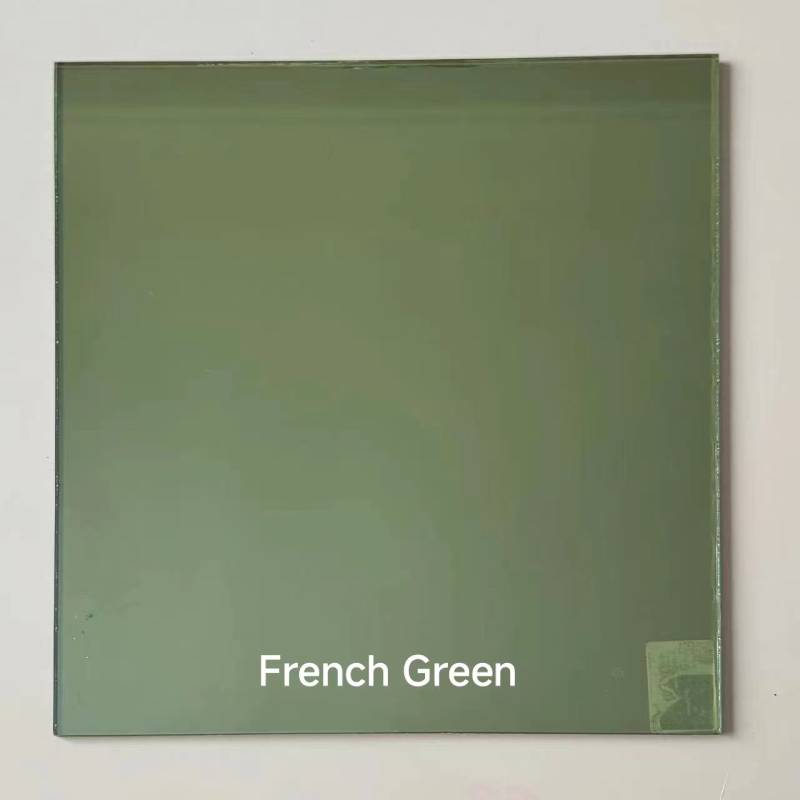
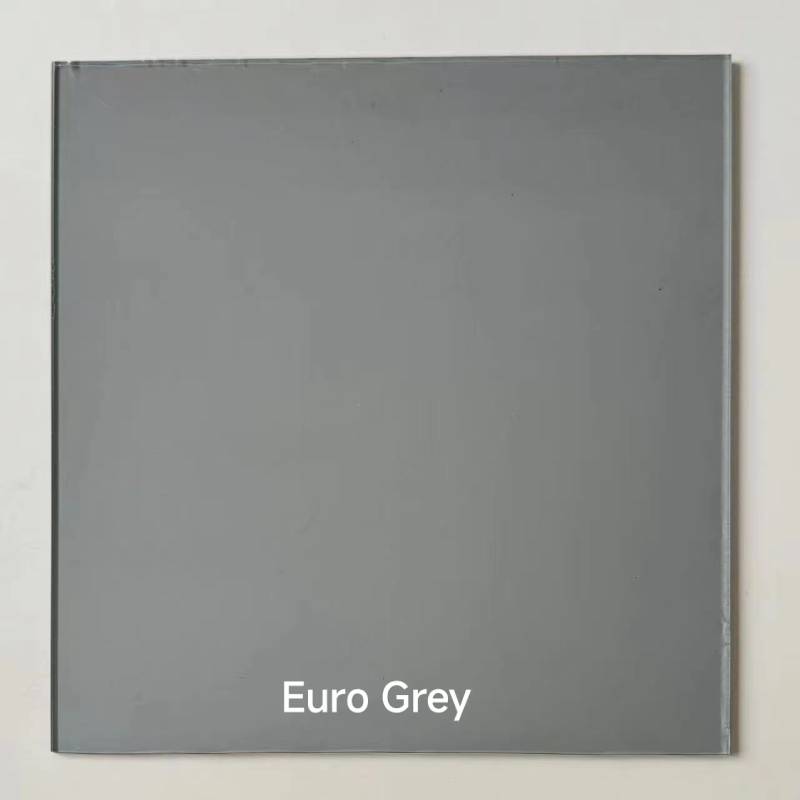
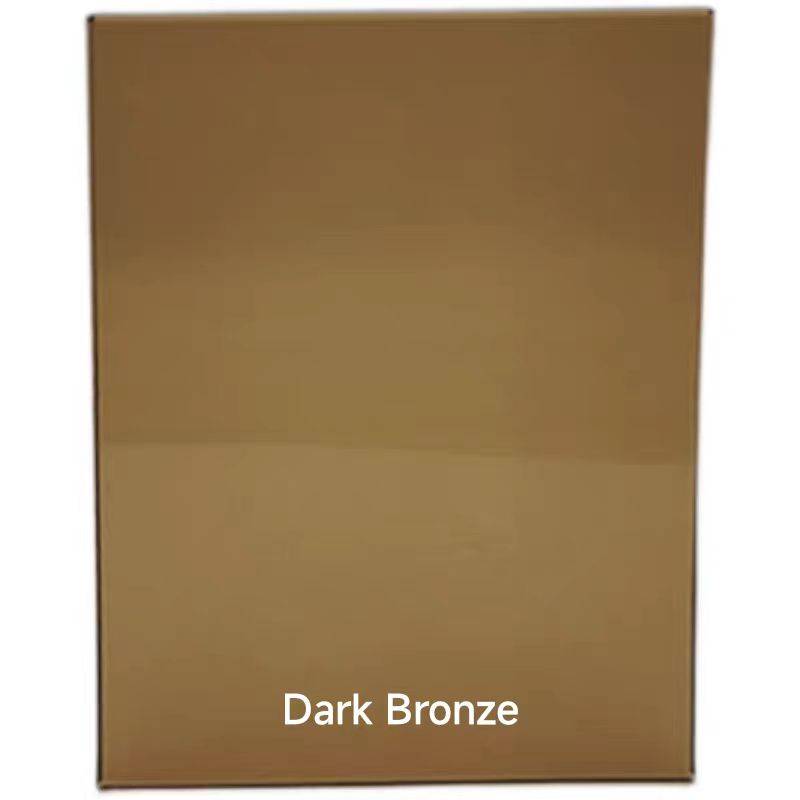
Two clear shifts: higher solar control without “mirror-y” harshness, and coatings tuned for double or triple glazing. Low‑iron substrates and soft-coat stacks are popular. Many customers say neutral gray/blue tints look “premium” while bronze is making a surprise comeback on hospitality façades. To be honest, codes are the driver: ASHRAE 90.1, IECC, and EU performance labels are nudging specs to lower SHGC and balanced VLT.
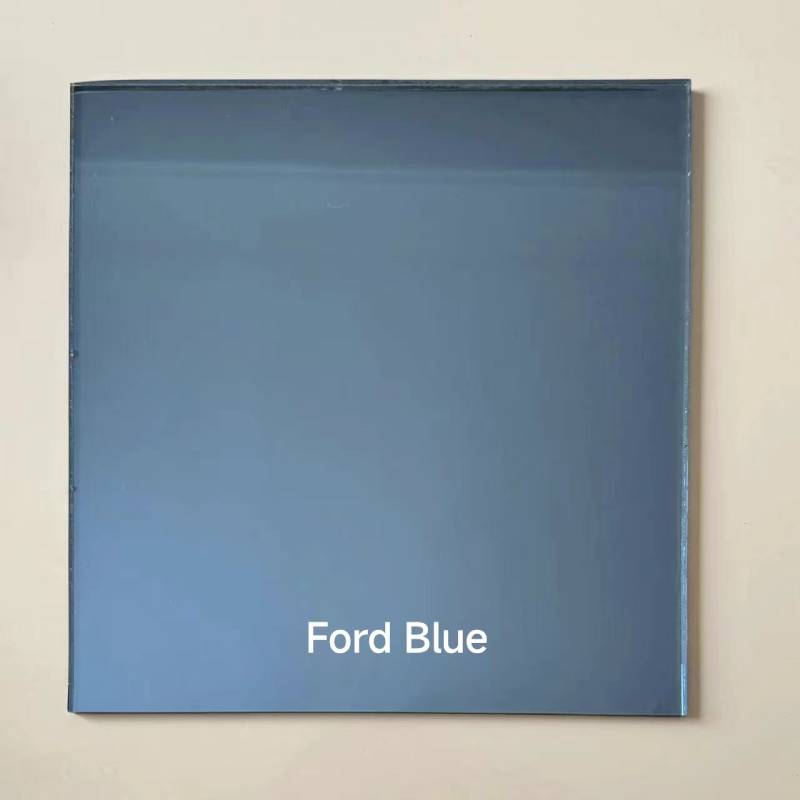
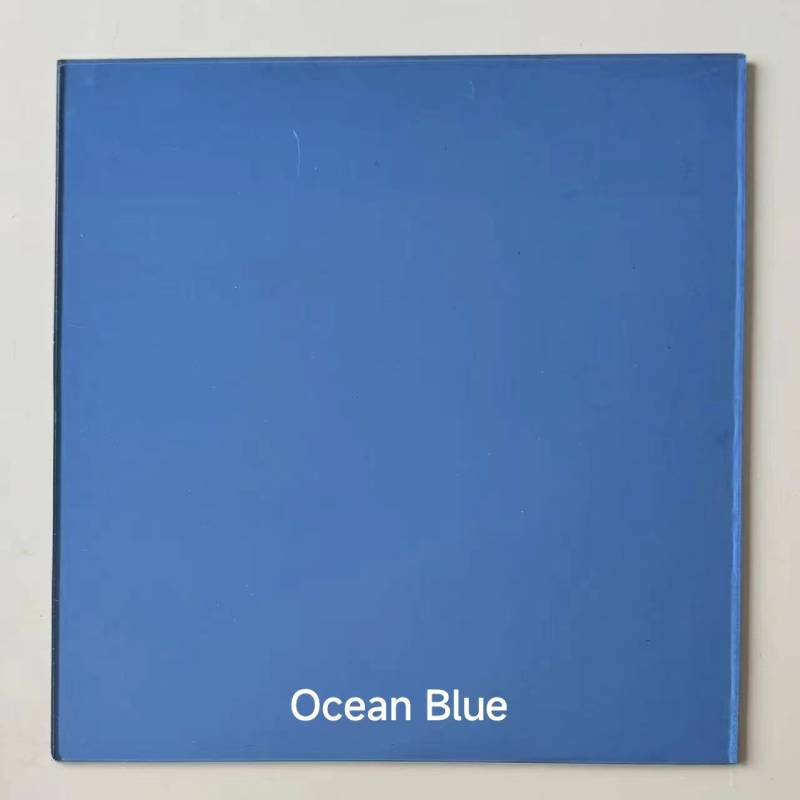
| Parameter | Typical Range | Notes |
|---|---|---|
| Thickness | 4–10 mm | Annealed, heat‑strengthened, or tempered |
| Visible Light Transmission (VLT) | ≈ 8–35% | Per ISO 9050 |
| Exterior Reflectance | ≈ 18–40% | Color dependent |
| SHGC (in IGU) | ≈ 0.25–0.55 | Glazing build-up matters |
| Service Life | 20–30+ years | With proper edge sealing and IGU care |
Base is soda‑lime float glass. Coatings are deposited via online pyrolytic or offline magnetron sputtering (multi‑targets: Ag, TiO2, ZnO, Si3N4). After cutting and edge‑work, panels are tempered to ANSI Z97.1/EN 12150, laminated to EN 14449 as needed, and built into IGUs to ASTM E2190. Optical metrics per ISO 9050. Coating durability validated to EN 1096. I like to see salt‑fog and humidity tests for coastal jobs, plus thermal soak (EN 14179) for critical façades.
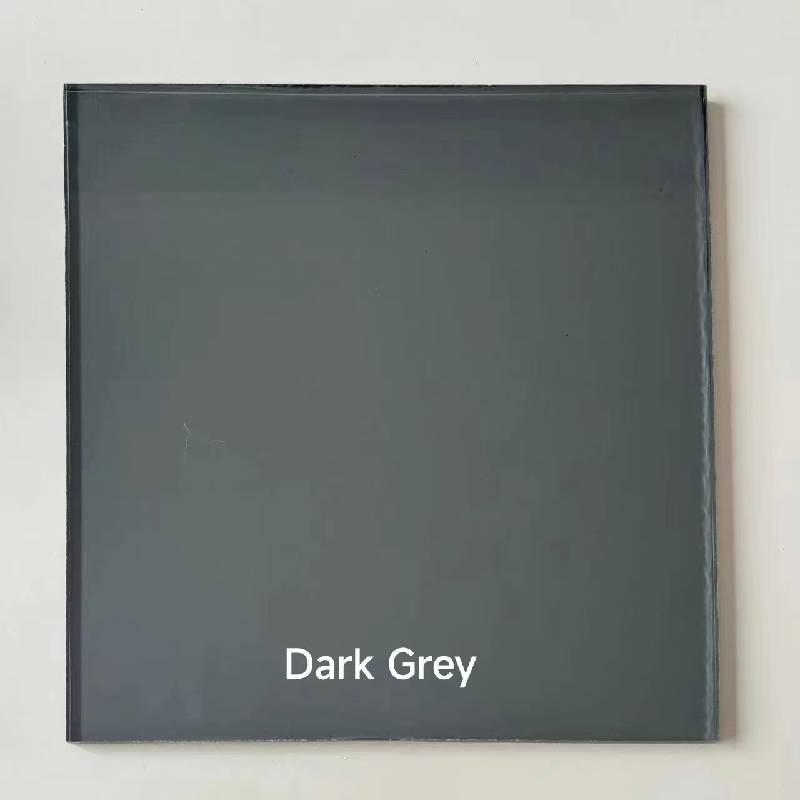
Feedback is consistent: “cooler interiors by mid‑afternoon, fewer blinds down.” Some occupants prefer slightly higher VLT. Fair point—balance is everything.
| Vendor | Origin | Certs/Standards | Lead Time | Warranty |
|---|---|---|---|---|
| TP Top Glass (Reflective Glass) | Shahe City, Hebei, China | EN 1096, ISO 9050, EN 12150, ASTM C1376 | ≈ 2–4 weeks | Up to 10 years on coating in IGU |
| Vendor A (EU) | EU | CE marking, EN 1096 | ≈ 3–6 weeks | 5–10 years |
| Vendor B (US) | USA | NFRC, ASTM C1376, ANSI Z97.1 | ≈ 3–5 weeks | 10 years |
TP Top Glass supplies custom sizes (1650×2140 up to 3660×2440) and colors, edgework, tempering, lamination, and IGU builds. Origin: Shahe City economic Development Zone 32,hebei, P.R. China. A Dubai mid‑rise used a soft‑coat neutral grey IGU (VLT ≈ 28%, SHGC ≈ 0.32) and reported a measurable HVAC peak reduction. A Frankfurt data center specified low‑iron reflective spandrels to stabilize internal temps. A Singapore retailer picked bronze for a warmer street presence—surprisingly effective for evening glare.
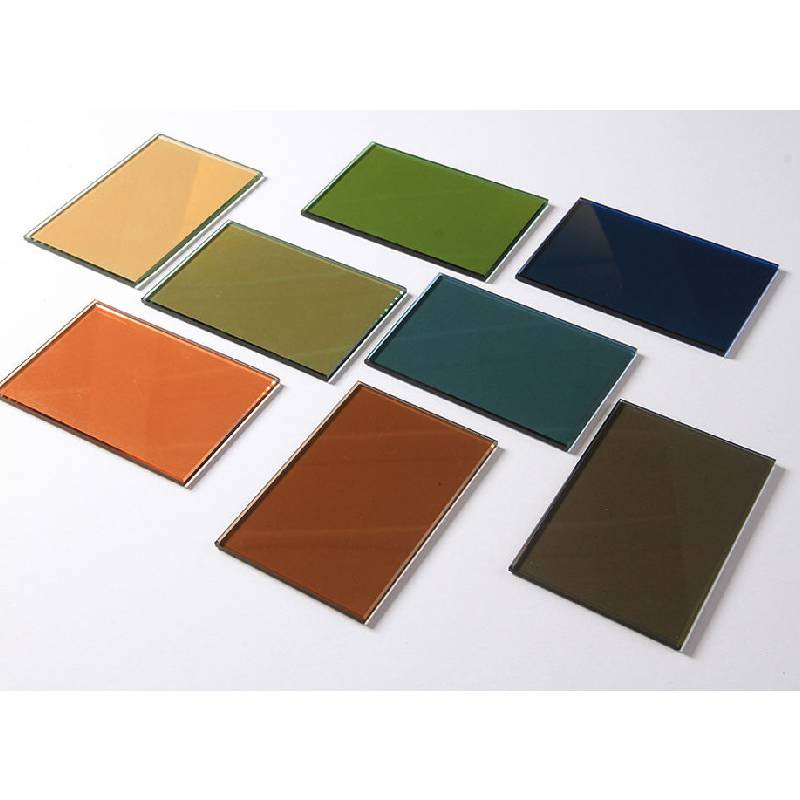
If you need a quick matrix comparing types of reflective glass for daylight vs. privacy, ask for project‑specific spectral data. Many façade teams keep a small lightbox on site; I do, too.

Shahe City economic Development Zone 32,hebei,P.R .China.

+8618686009698
+8613191439158

eoch@shtopglass.com
jason@shtopglass.com