
Types Of Reflective Glass is a key solution in the manufacturing industry, specifically within Non metallic mineral products industry and Manufacturing of glass and glass products. This article explores how Shahe Top Glass CO.,LTD. supports professionals with durable, high-performance products, and explains why this product is an ideal choice for businesses in these sectors.
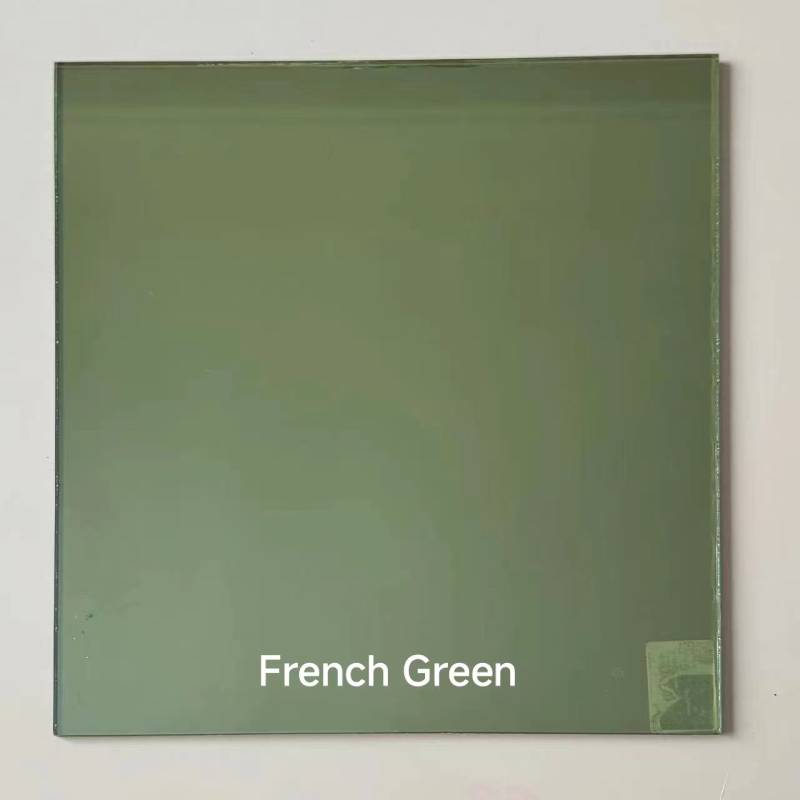
Reflective glass is float glass enhanced with a thin, metallic oxide coating that controls solar heat gain and visible light reflectance. Within the broader category of Types Of Reflective Glass, B2B buyers typically evaluate on-line (pyrolytic, “hard-coat”) and off-line (magnetron sputtered, “soft-coat”) options. Hard-coat reflective glass offers tough, weatherable performance and easy processing, while soft-coat variants deliver higher selectivity with excellent solar control when sealed within insulating glass units (IGUs). For specialized viewing comfort, non glare glass minimizes surface reflections, and semi reflective glass balances daylight transmission with moderated exterior reflectivity for façades and interiors.
Architectural stakeholders specify reflective glass for curtain walls, unitized façades, spandrels, skylights, canopies, and high-end interiors such as partitions, balustrades, and display systems. In OEM manufacturing, semi reflective glass is valued for equipment housings and enclosures where controlled visibility and brand aesthetics matter. Non glare glass improves legibility for retail showcases and digital signage by reducing surface reflectivity. Across these Types Of Reflective Glass, fabricators can integrate laminated safety, ceramic frits, and IGU builds for thermal, acoustic, and safety performance.
Total cost of ownership for reflective glass should factor procurement, processing (tempering, lamination, IGU), installation, and operating savings from reduced cooling loads. When integrated into energy-efficient façades, reflective glazing can contribute to better thermal performance and lower peak demand—benefits that enhance lifecycle ROI. Hard-coat reflective products simplify handling and can be glazed monolithically in some applications, while soft-coat reflective glass typically achieves its best durability and performance sealed inside IGUs.
Global energy codes and green building frameworks continue to prioritize envelope performance—driving demand for advanced reflective glass, low-emissivity coatings, and high-performance IGUs. As cities tighten requirements for solar heat gain and overall building energy intensity, Types Of Reflective Glass play a strategic role in meeting compliance, improving occupant well-being, and supporting net-zero pathways. Design trends favor balanced reflectance—enough to control solar load and provide daytime privacy, while maintaining human-centric daylighting and views.
From façades to OEM applications, Types Of Reflective Glass enable energy savings, visual comfort, and modern aesthetics across the Manufacturing of glass and glass products sector. Shahe Top Glass CO.,LTD. delivers reliable quality, flexible processing compatibility, and responsive service—helping B2B decision makers meet performance, schedule, and budget goals. Explore reflective, semi reflective, and non glare options to tailor solar control and appearance to your project. Contact us: email: eoch@shtopglass.com — Visit our website: https://www.tptopglass.com

Khu phát triển kinh tế thành phố Shahe 32,hebei,PR .China.

+8618686009698
+8613191439158

eoch@shtopglass.com
jason@shtopglass.com